5 Common Chimney Myths Debunked by Experts

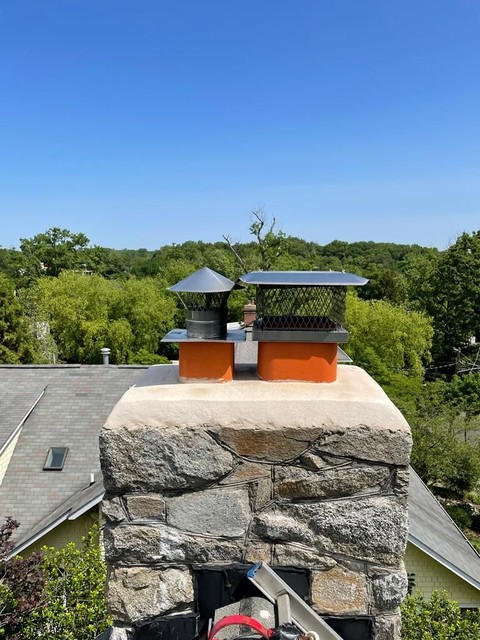
Understanding Chimney Myths
Maintaining a chimney might seem straightforward, but misconceptions can lead to costly mistakes. In this post, we'll explore and debunk five common chimney myths with insights from industry experts.
Myth 1: Chimneys Only Need Cleaning Once a Year
While many homeowners believe an annual cleaning is sufficient, the reality is more nuanced. The frequency depends on usage. If you frequently use your fireplace, experts recommend more regular inspections and cleanings to prevent creosote buildup, which can lead to chimney fires.
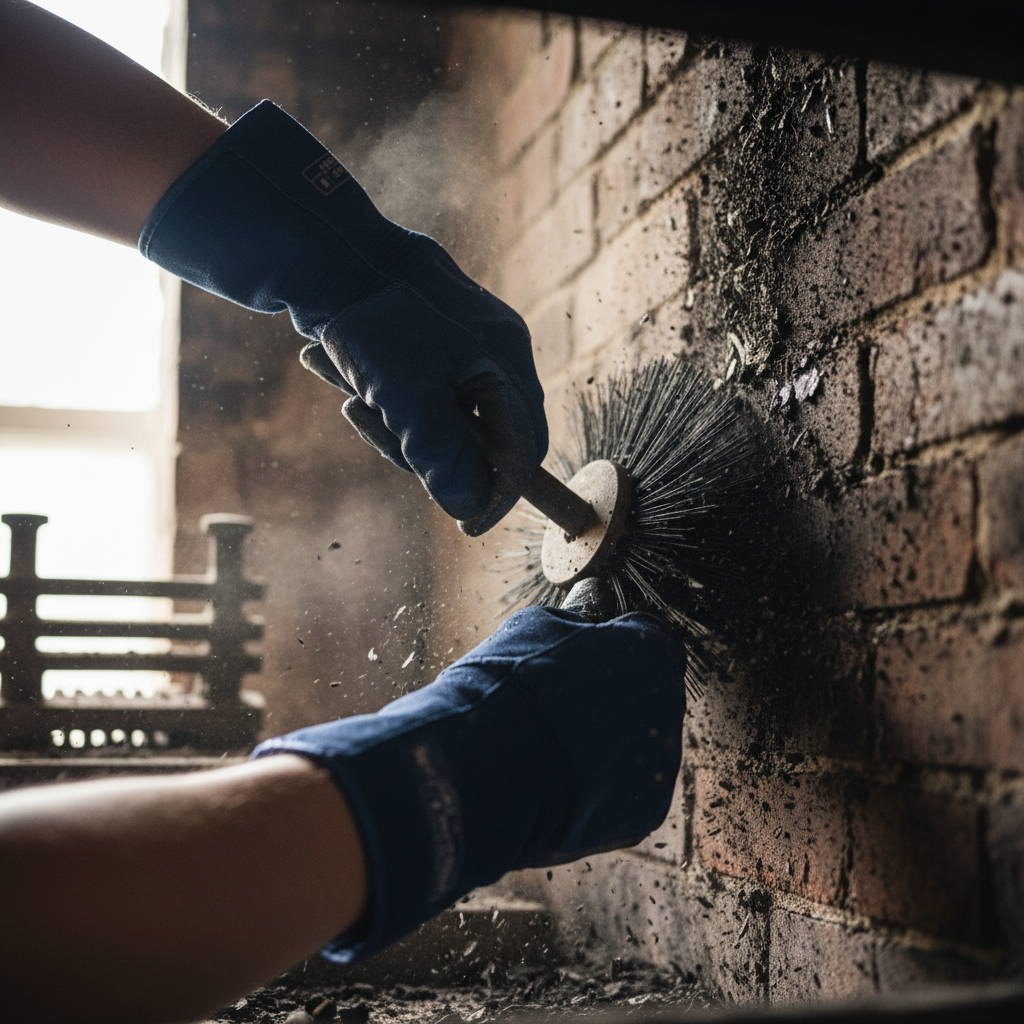
Myth 2: Chimney Sweeping is a DIY Task
Though it might be tempting to save money by cleaning your chimney yourself, professional chimney sweeps possess the necessary tools and expertise to do the job safely and effectively. Attempting a DIY sweep can result in incomplete cleaning and potential hazards.
Myth 3: Chimney Liners Last Forever
Chimney liners are crucial for maintaining safety, but they do not last indefinitely. Over time, they can crack or deteriorate due to exposure to high temperatures and moisture. Regular inspections are essential to ensure your liner is in good condition.
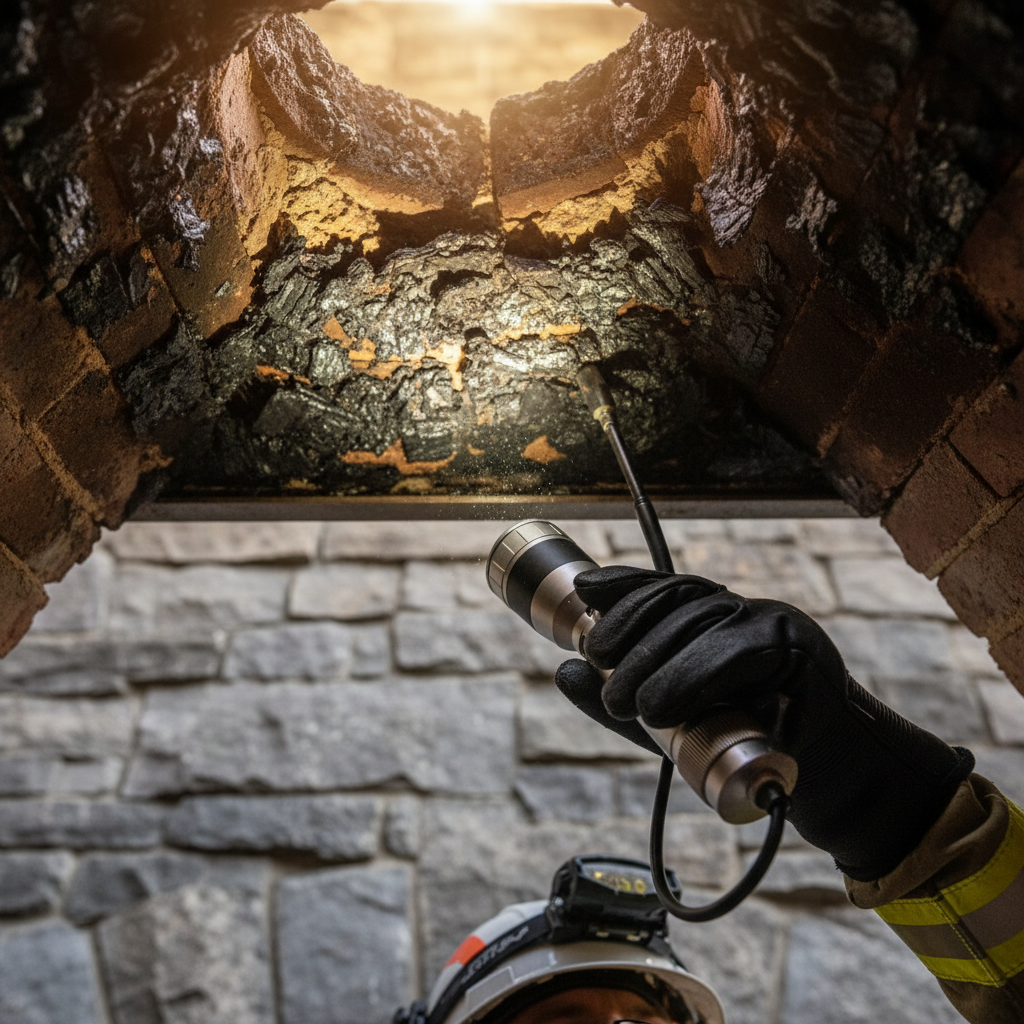
Myth 4: No Smoke Means No Problem
The absence of visible smoke doesn't necessarily indicate a well-functioning chimney. Problems like blockages or structural damage might not always produce smoke but can still pose significant risks. Regular checks by professionals can uncover hidden issues.
Myth 5: All Chimney Caps Are the Same
Not all chimney caps are created equal. They come in various designs and materials, each serving different purposes. A well-fitted cap prevents water damage, animal entry, and debris accumulation, enhancing your chimney's efficiency and longevity.
Understanding these myths can help homeowners make informed decisions about chimney care. Regular maintenance and professional inspections are vital to ensuring safety and efficiency. By debunking these myths, we hope to promote better chimney health and safety for all.