Common Chimney Cleaning Misconceptions Debunked

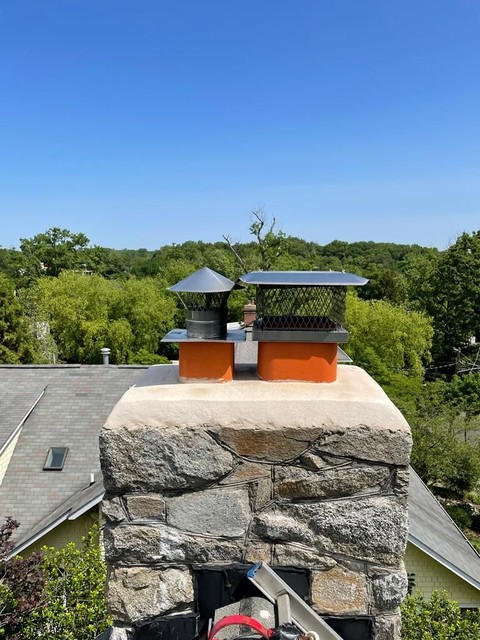
Introduction to Chimney Cleaning Misconceptions
Chimney cleaning is an essential part of home maintenance that ensures safety and efficiency. However, several misconceptions can lead homeowners to neglect this vital task. In this article, we'll debunk some common myths about chimney cleaning and provide clarity on the topic.
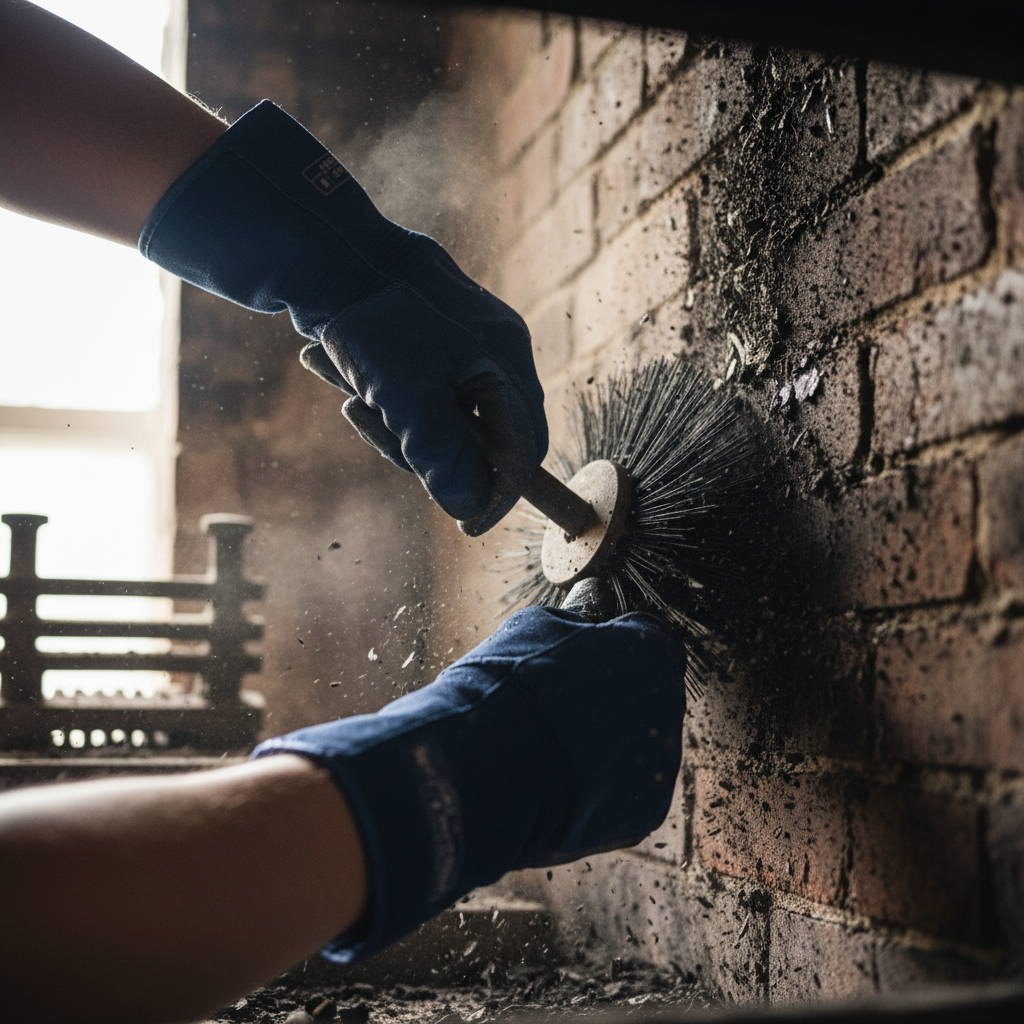
Misconception #1: Chimneys Only Need Cleaning If Used Frequently
One of the most prevalent myths is that chimneys only require cleaning if they're used often. In reality, even infrequent use can lead to creosote buildup, which is a significant fire hazard. Regular inspections and cleanings are crucial, regardless of how often the fireplace is used.
The Impact of Creosote
Creosote is a tar-like substance that accumulates over time. It can ignite and cause chimney fires, making it essential to remove it regularly. Chimneys should be inspected at least once a year to assess creosote levels.
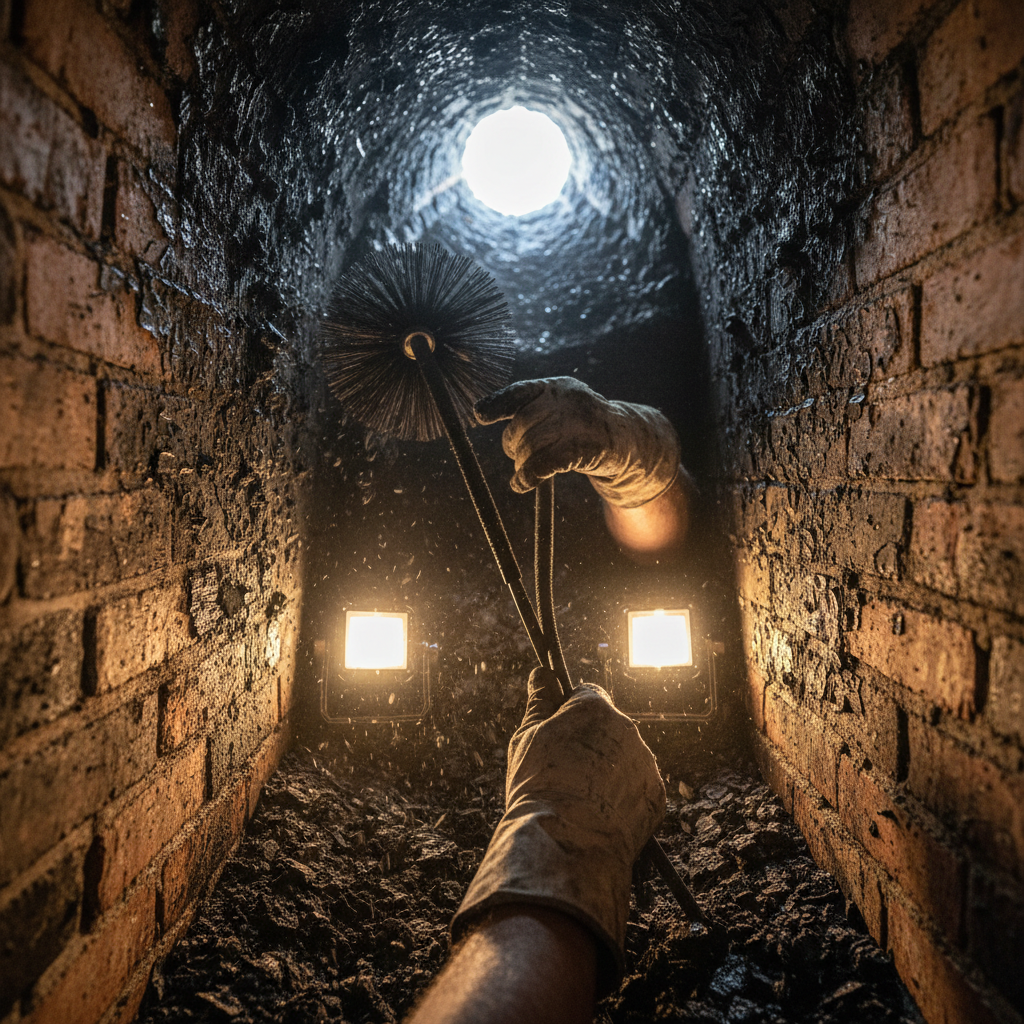
Misconception #2: DIY Cleaning Is Sufficient
Many homeowners believe that they can clean their chimneys themselves, saving money in the process. However, chimney cleaning requires specialized tools and expertise. Professional cleaners ensure thorough cleaning and can spot potential issues that amateurs might miss.
Benefits of Professional Cleaning
- Thorough inspection and cleaning
- Identification of structural issues
- Reduced risk of fire hazards
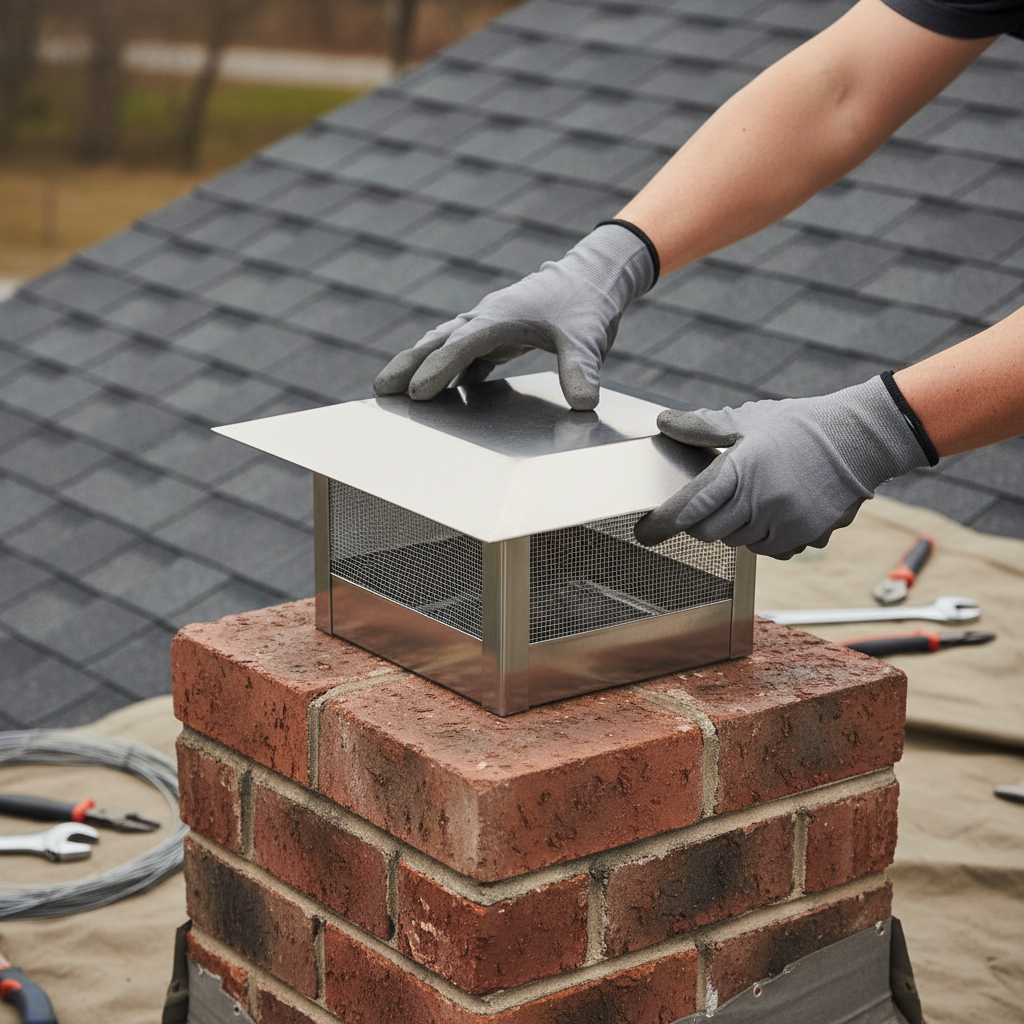
Misconception #3: Chimney Caps Are Unnecessary
Some homeowners think chimney caps are optional, but they play a critical role in protecting your chimney. A chimney cap prevents rain, debris, and animals from entering, which can cause blockages and other issues.
Protecting Your Investment
Installing a chimney cap is a relatively low-cost investment that can prevent costly repairs. It also contributes to the overall longevity of the chimney structure.
Misconception #4: Cleaning Logs Are a Substitute for Professional Cleaning
Chimney cleaning logs are designed to reduce creosote buildup, but they are not a replacement for professional cleaning. While they might help with minor maintenance, they don’t address more significant issues or remove all creosote effectively.
When to Use Cleaning Logs
- Use them as a supplementary measure, not a replacement.
- Follow up with professional inspections and cleanings.
Conclusion
Understanding the facts about chimney cleaning helps ensure your home remains safe and efficient. Regular maintenance, professional inspections, and a cautious approach to chimney care will protect your home and family. By debunking these misconceptions, you can make informed decisions about your chimney's upkeep.