Common Chimney Myths Debunked: What Every Homeowner Should Know

Understanding Chimney Misconceptions
Chimneys, a common feature in many homes, often come with a set of myths that can lead to misunderstandings and even potential hazards. As a homeowner, it's crucial to separate fact from fiction to ensure the safety and efficiency of your chimney.

Myth 1: Chimneys Don’t Need Regular Cleaning
One of the most prevalent myths is that chimneys are self-cleaning and don’t require regular maintenance. In reality, chimneys accumulate creosote, a flammable byproduct of burning wood, which can lead to dangerous chimney fires if not cleaned regularly. Experts recommend having your chimney inspected and cleaned at least once a year.
Myth 2: Small Fires Don’t Cause Damage
Some homeowners believe that only large, roaring fires can damage a chimney. However, even small fires can cause creosote buildup and lead to structural damage over time. It’s essential to use the right type of wood and maintain proper airflow to minimize risks.

Debunking Structural Myths
Myth 3: Chimney Liners Are Optional
Another common misconception is that chimney liners are unnecessary. On the contrary, a properly installed liner is vital for protecting the chimney walls from heat and corrosion. Liners also help prevent harmful gases from leaking into your home, enhancing safety and efficiency.
Myth 4: Masonry Chimneys Last Forever
While masonry chimneys are durable, they are not indestructible. Weather, moisture, and regular use can cause wear and tear over time. Regular inspections can help identify and address issues such as cracks, leaks, or mortar deterioration before they become major problems.

Fireplace and Safety Myths
Myth 5: You Can Burn Any Type of Wood
It's a common belief that all types of wood are suitable for burning in a fireplace. However, burning green or softwood can lead to excessive smoke and creosote buildup. It's best to use seasoned hardwoods like oak or maple for a cleaner and safer burn.
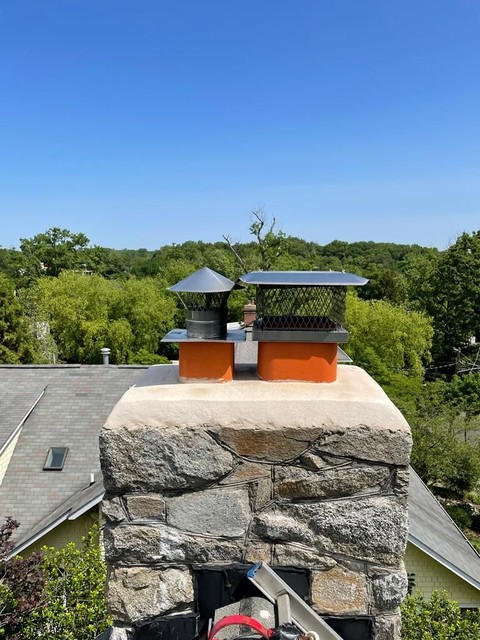
Myth 6: A Chimney Cap Is Unnecessary
Some homeowners think that chimney caps are optional accessories. In reality, a chimney cap is crucial for keeping out rain, debris, and even wildlife. It also helps prevent downdrafts, which can push smoke back into your home.

Ensuring Chimney Safety
By understanding and debunking these common chimney myths, homeowners can take the necessary steps to maintain their chimneys effectively. Regular maintenance, proper use, and informed choices are key to ensuring your chimney remains a safe and functional part of your home.
Remember, when in doubt, consult with a certified chimney professional to ensure your home’s safety and comfort. Don’t let myths stand in the way of your home’s well-being.