Common Chimney Myths Debunked: What Every Homeowner Should Know

Understanding Chimney Myths
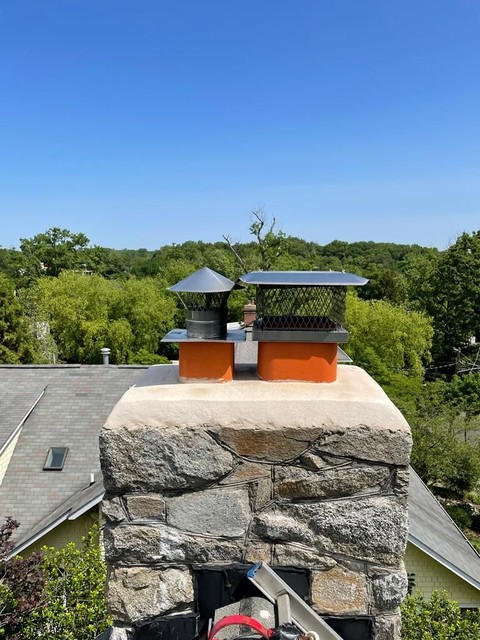
Chimneys, a quintessential feature in many homes, often come with a variety of myths that can mislead homeowners. Understanding these myths is crucial for maintaining a safe and efficient fireplace. Here, we debunk some common misconceptions about chimneys.
Myth 1: Chimneys Don't Need Regular Cleaning
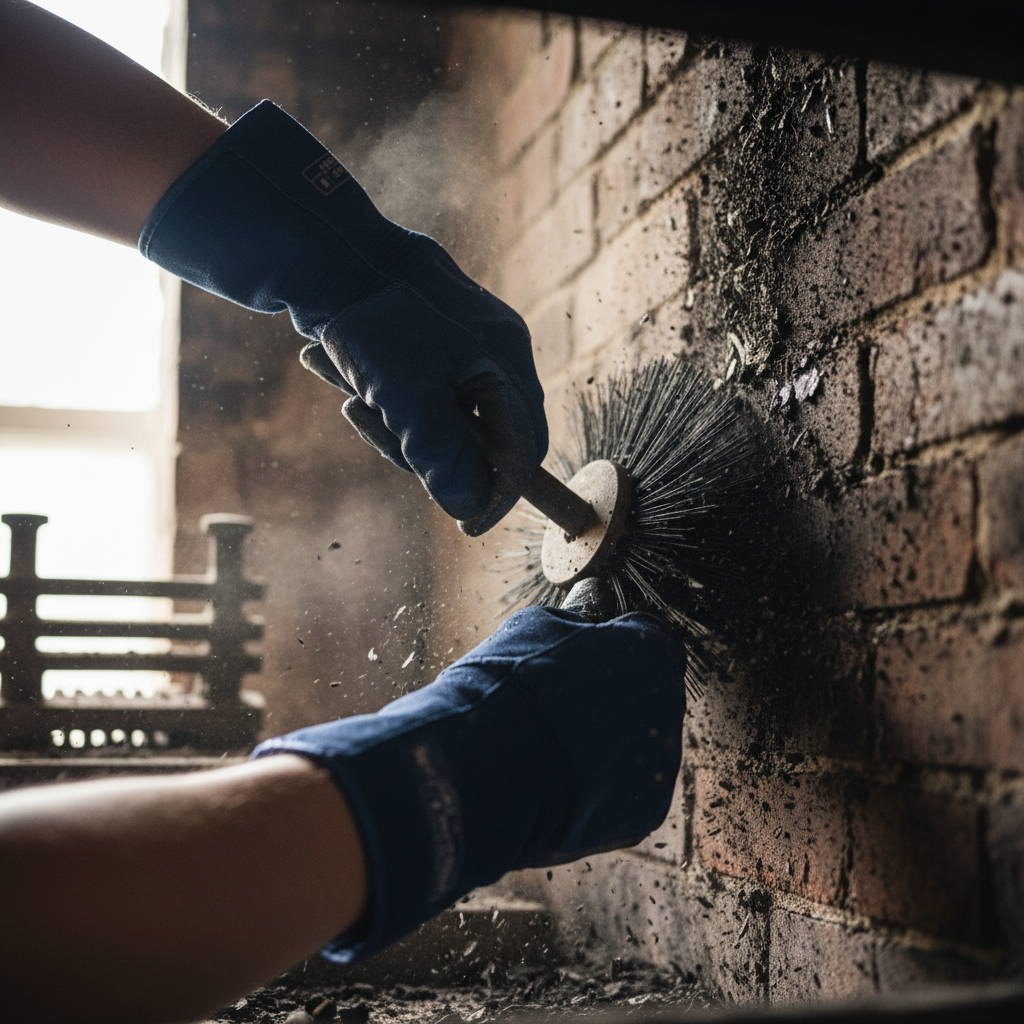
One of the most prevalent myths is that chimneys don't require regular maintenance. In reality, chimneys need to be cleaned at least once a year to prevent the buildup of creosote, a flammable substance that can lead to chimney fires. Regular cleaning also ensures the safe and efficient operation of your fireplace.
Myth 2: All Chimney Sweeps Are Certified
Another common misconception is that all chimney sweeps are certified professionals. While many are, it's essential for homeowners to verify the credentials of any service provider. Look for certifications from reputable organizations, ensuring they meet industry standards for safety and effectiveness.
Myth 3: A Chimney Cap Is Unnecessary
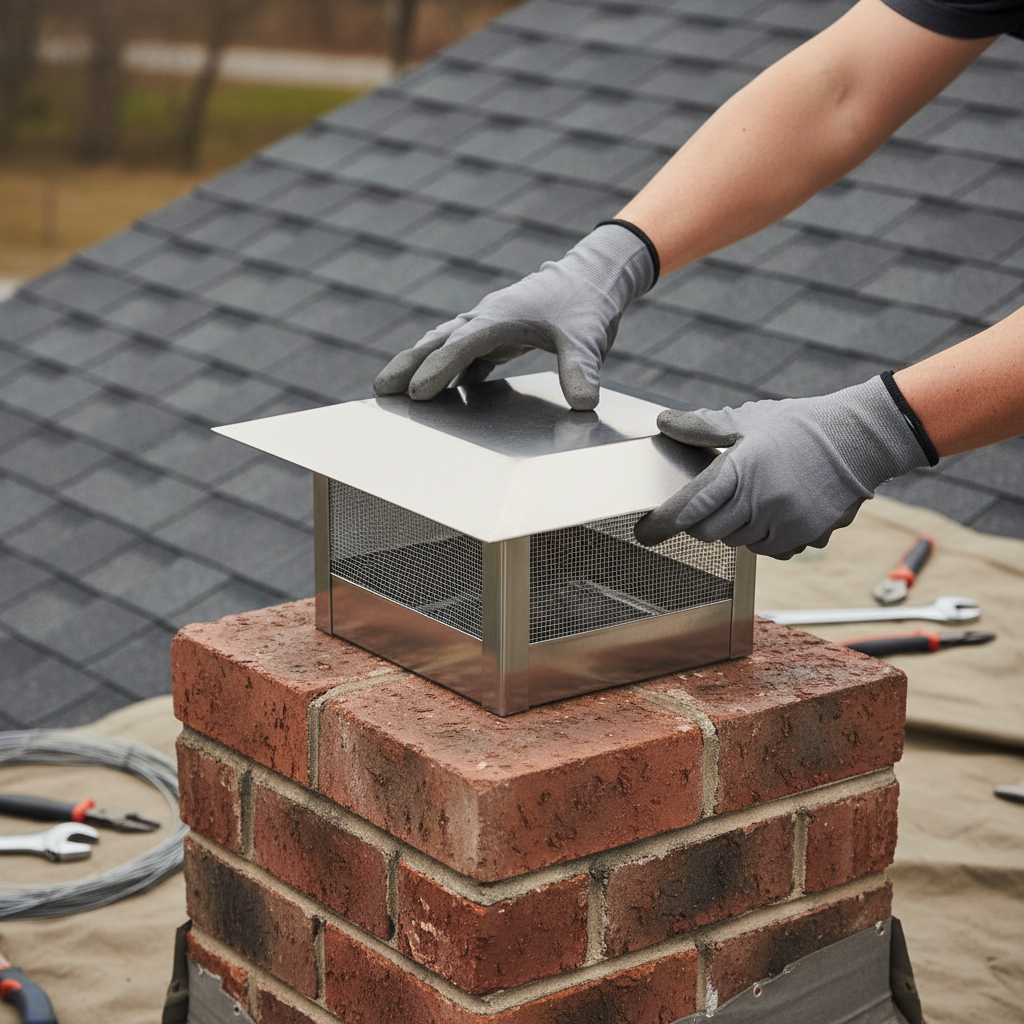
Some believe that a chimney cap is merely an aesthetic addition. However, a chimney cap serves several critical functions, such as preventing water damage, keeping out animals, and reducing downdrafts. Investing in a good quality chimney cap can save homeowners from costly repairs down the line.
Structural Integrity and Safety
Ensuring the structural integrity of a chimney is vital for safety. Misunderstandings about chimney construction and maintenance can lead to dangerous situations.
Myth 4: Cracks in the Chimney Are Harmless
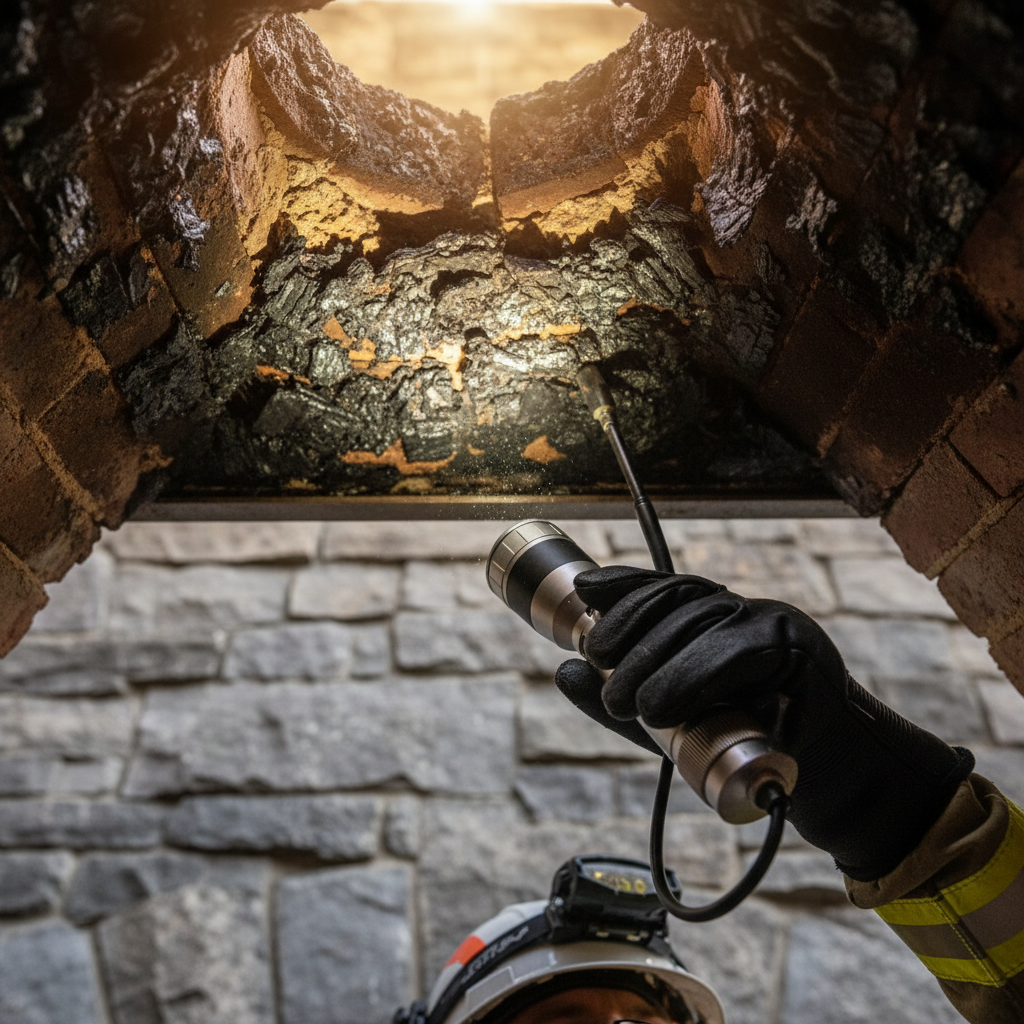
Cracked chimneys are often dismissed as minor issues, but even small fractures can lead to severe problems. Water penetration through cracks can cause structural damage, and in some cases, allow dangerous gases to seep into your home. Regular inspections can catch these issues early.
Myth 5: New Chimneys Don’t Need Inspections
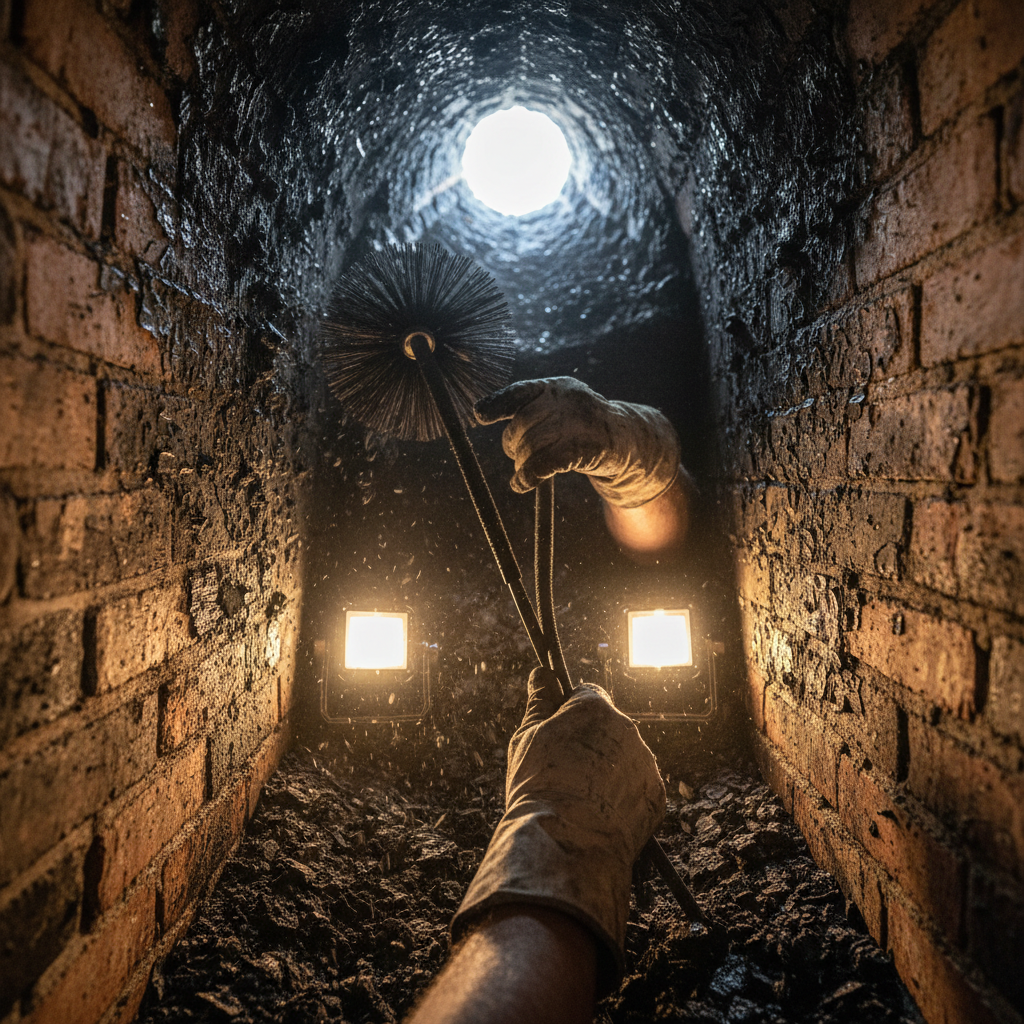
Many homeowners with new chimneys assume they don't need inspections. However, even new chimneys should be inspected to ensure they are installed correctly and functioning as intended. Early inspections can prevent long-term problems and maintain efficiency.
Efficiency and Functionality
Chimneys not only add charm but also enhance the functionality of a home. Addressing myths related to their efficiency can help homeowners make informed decisions.
Myth 6: Closing the Damper Saves Energy
While it might seem logical to close the damper to save energy, doing so while the fireplace is still warm can trap moisture and lead to corrosion. It's essential to let the fireplace cool completely before closing the damper to preserve the chimney's longevity.
Myth 7: All Firewood Burns the Same
Not all firewood is created equal. Burning softwoods can lead to more creosote buildup compared to hardwoods. Using seasoned hardwoods ensures a cleaner burn and reduces the risk of chimney fires. Understanding the type of wood you use can enhance your fireplace experience.
In conclusion, being aware of these common chimney myths can help homeowners maintain a safe, efficient, and enjoyable fireplace. Regular maintenance, proper inspections, and informed choices about materials and services will ensure your chimney serves you well for years to come.