Common Chimney Myths Debunked by Experts

Understanding Chimney Myths
Chimneys have been a part of home architecture for centuries, yet many myths about them persist. These misconceptions can lead to unnecessary expenses or even safety hazards. In this post, we’ll debunk some common chimney myths with insights from experts.

Myth 1: Chimneys Don’t Need Regular Maintenance
Many homeowners believe that once a chimney is built, it doesn't require any maintenance. This couldn't be further from the truth. Regular inspections and cleanings are crucial to prevent chimney fires and ensure efficient operation. According to experts, a chimney should be inspected at least once a year, preferably before the heating season begins.
Myth 2: Chimney Fires Are Rare
Chimney fires are more common than most people think. They often occur due to the buildup of creosote, a flammable byproduct of burning wood. Regular cleaning and using well-seasoned wood can significantly reduce the risk of these fires. It’s essential to be aware of the signs of a chimney fire, such as loud cracking noises or dense smoke.

Myth 3: All Chimney Sweeps Are Qualified
Not all chimney sweeps are created equal. Some lack the necessary training and credentials to perform thorough inspections. Homeowners should look for professionals certified by recognized organizations, ensuring they have the expertise to identify potential issues and conduct proper cleanings.
Myth 4: A Chimney Cap Is Unnecessary
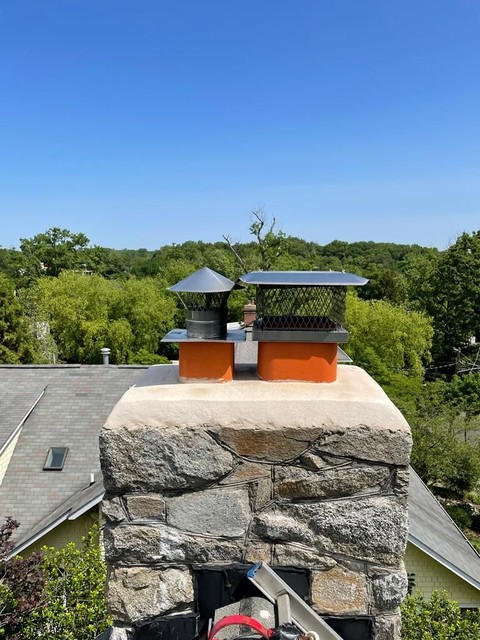
Some people may see a chimney cap as an unnecessary expense, but it plays a vital role in protecting your chimney. A cap prevents rain, debris, and animals from entering, which can cause blockages or damage. It’s a small investment that can save significant costs in the long run.

Myth 5: Burning Softwoods Is Bad for Your Chimney
There’s a common belief that only hardwoods should be burned in fireplaces. While hardwoods do burn longer and hotter, burning dry, seasoned softwood is not harmful. The key is to ensure the wood is well-seasoned to minimize creosote buildup.
Myth 6: A Smoky Fireplace Means a Chimney Problem
If your fireplace is smoky, it doesn't always indicate a chimney issue. It could be due to inadequate ventilation or a blocked flue. Experts recommend checking for blockages and ensuring that dampers are fully open before lighting a fire.

Conclusion: Keeping Your Chimney Safe and Efficient
Debunking these myths helps in maintaining a safe and efficient chimney system. Regular maintenance, using proper materials, and hiring qualified professionals are key steps. By staying informed, homeowners can enjoy their fireplaces without the worry of unexpected problems.