Common Chimney Problems in Silver Spring and How to Fix Them

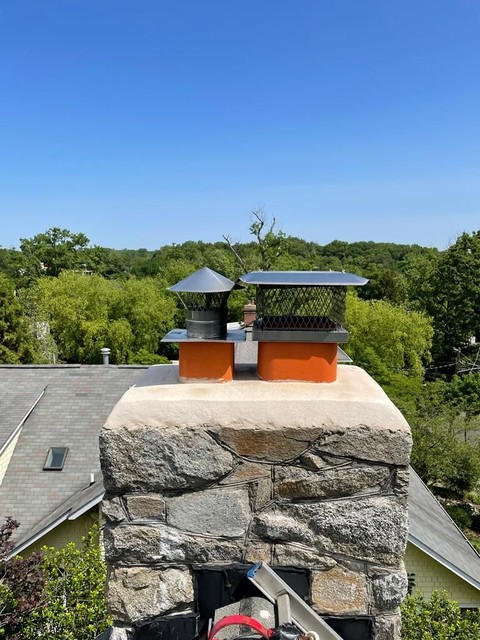
Understanding Chimney Leaks
Chimney leaks are a common issue for homeowners in Silver Spring. These leaks can lead to water damage, mold growth, and structural deterioration. The primary cause of chimney leaks is often damaged flashing or cracked chimney crowns. It's crucial to address these issues as soon as possible to prevent further damage.
To fix a leaking chimney, start by inspecting the flashing around the base. If it's loose or damaged, reseal or replace it. Additionally, applying a waterproof sealant to the chimney crown can help prevent future leaks. It's advisable to consult a professional for a thorough inspection and repair.

Addressing Chimney Blockages
Another frequent problem in Silver Spring is chimney blockages, which can lead to smoke and toxic gases entering your home. Blockages are often caused by debris, bird nests, or excessive creosote buildup. Regular cleaning and maintenance are essential to prevent this issue.
To remove a blockage, consider hiring a certified chimney sweep. They have the necessary tools and expertise to clean your chimney safely. For those looking to DIY, use a chimney brush and rods to clear the passage, ensuring all debris is removed.

Dealing with Cracked Chimney Liner
A cracked chimney liner can be a serious problem, compromising the safety and efficiency of your chimney. Liners can crack due to chimney fires, age, or improper installation. A damaged liner can allow heat and gases to escape, posing a risk to your home.
Inspecting and repairing a chimney liner should be left to professionals. If you suspect a crack, contact a chimney specialist who can perform a detailed inspection and recommend a suitable liner replacement or repair.

Preventing Chimney Fires
Chimney fires are a dangerous risk for any homeowner. These fires are typically caused by an accumulation of creosote, a highly flammable substance that builds up over time. Regular cleaning and maintenance are essential to reduce the risk of chimney fires.
To prevent chimney fires, schedule regular inspections and cleanings. Use seasoned wood to minimize creosote buildup and install a chimney cap to prevent debris from entering. These preventive measures can significantly reduce the risk of a fire.

Repairing Damaged Masonry
Over time, the masonry of your chimney can deteriorate due to weather exposure, leading to cracks and crumbling mortar. This not only affects the appearance but also the structural integrity of your chimney.
Repairing damaged masonry involves repointing, which is the process of renewing the outer portion of mortar joints. This task can be challenging, so hiring a professional mason is recommended to ensure the job is done correctly and safely.