DIY Chimney Inspection: What to Look For and When to Call a Pro

Understanding the Importance of Chimney Inspections
A well-maintained chimney is crucial for the safety and efficiency of your home. Regular inspections can prevent potential hazards such as chimney fires, carbon monoxide poisoning, and structural damage. While professional inspections are recommended, you can perform a basic DIY inspection to identify obvious issues.
Tools You Will Need
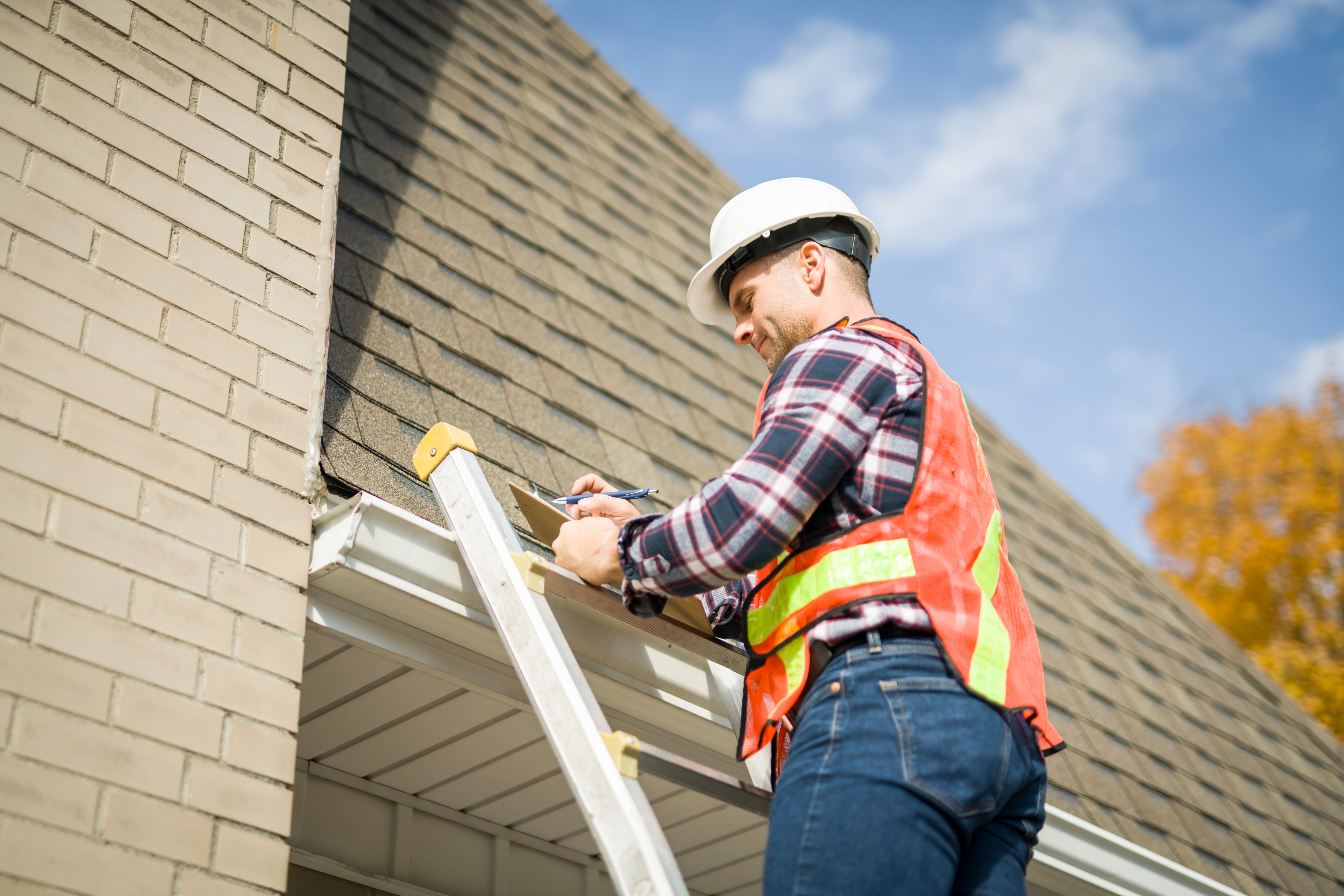
Before you begin, gather the necessary tools to conduct a thorough inspection. You’ll need a flashlight, a ladder, protective gloves, and a dust mask. Having a pair of binoculars can also be useful for examining hard-to-reach areas.
Safety First!
Ensure your safety by stabilizing the ladder securely before climbing. Wear sturdy footwear and consider having someone assist you to prevent accidents. Safety should always be your top priority when performing any DIY inspection.
Inspecting the Exterior
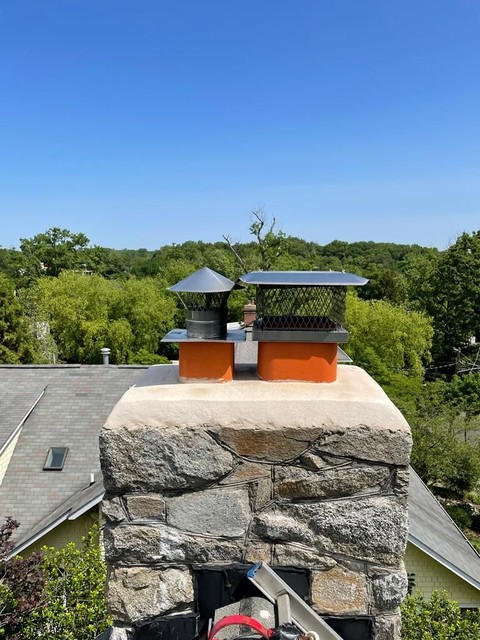
Start by examining the chimney’s exterior. Look for any signs of wear and tear, such as cracks in the masonry, missing bricks, or deteriorating mortar joints. These issues can lead to structural damage if not addressed promptly.

Check the Flashing
The flashing around the base of the chimney should be intact and free of rust or gaps. Damaged flashing can allow water to seep into your home, causing significant damage over time. If you notice any issues, it might be time to call a professional.
Assessing the Interior
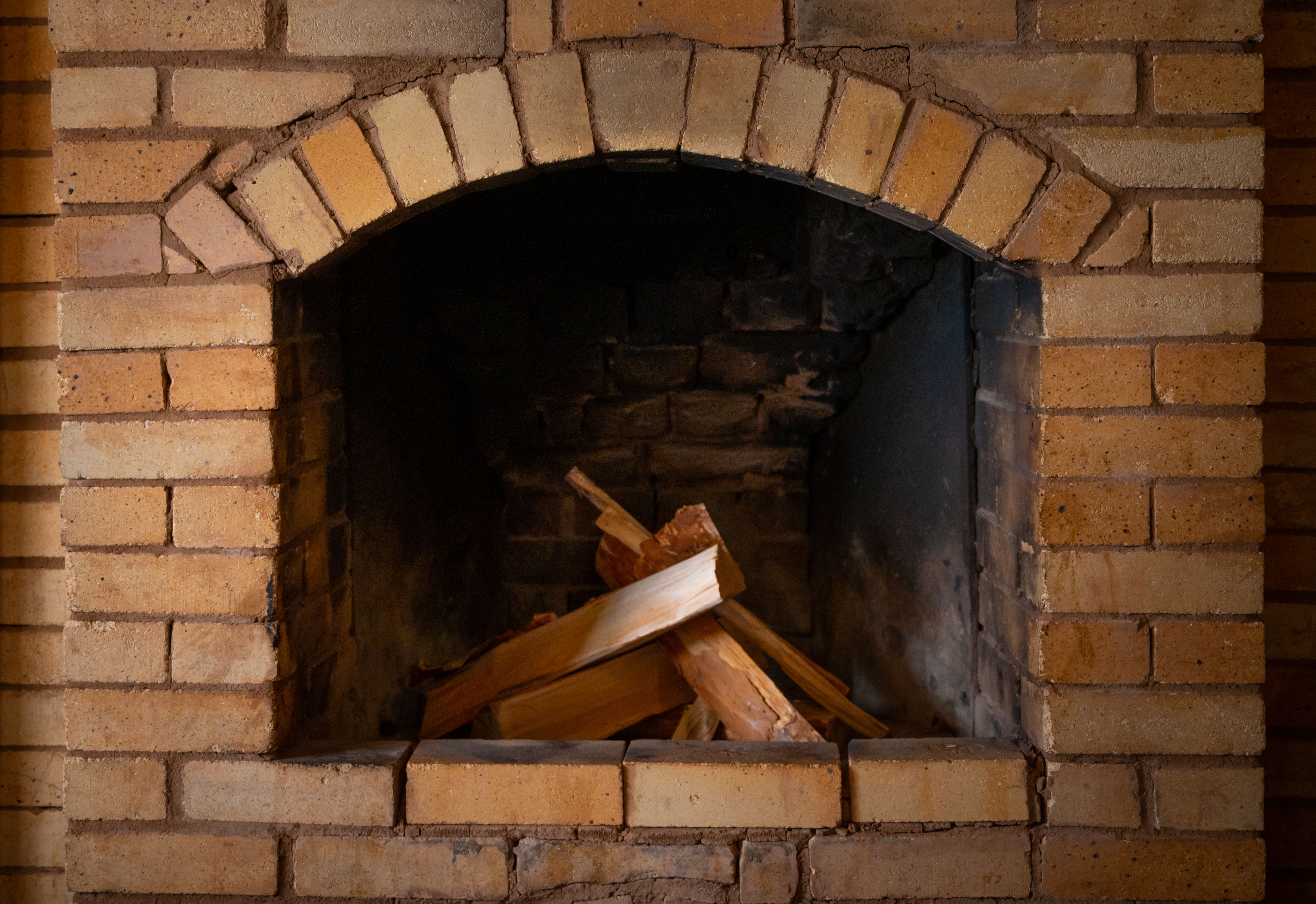
Once you’ve completed the exterior inspection, it’s time to move indoors. Use a flashlight to check the flue for creosote buildup, which is a highly flammable substance. Thick layers of creosote require immediate cleaning.
Look for Blockages
Bird nests, leaves, and other debris can obstruct the chimney flue, preventing proper ventilation. Ensure the passage is clear to avoid smoke and dangerous gases from entering your home.
When to Call a Professional
While DIY inspections can identify obvious issues, some problems require the expertise of a professional chimney sweep. If you notice extensive creosote buildup, significant structural damage, or are unsure about any aspect of your inspection, it's best to contact a professional.
Regular Maintenance is Key
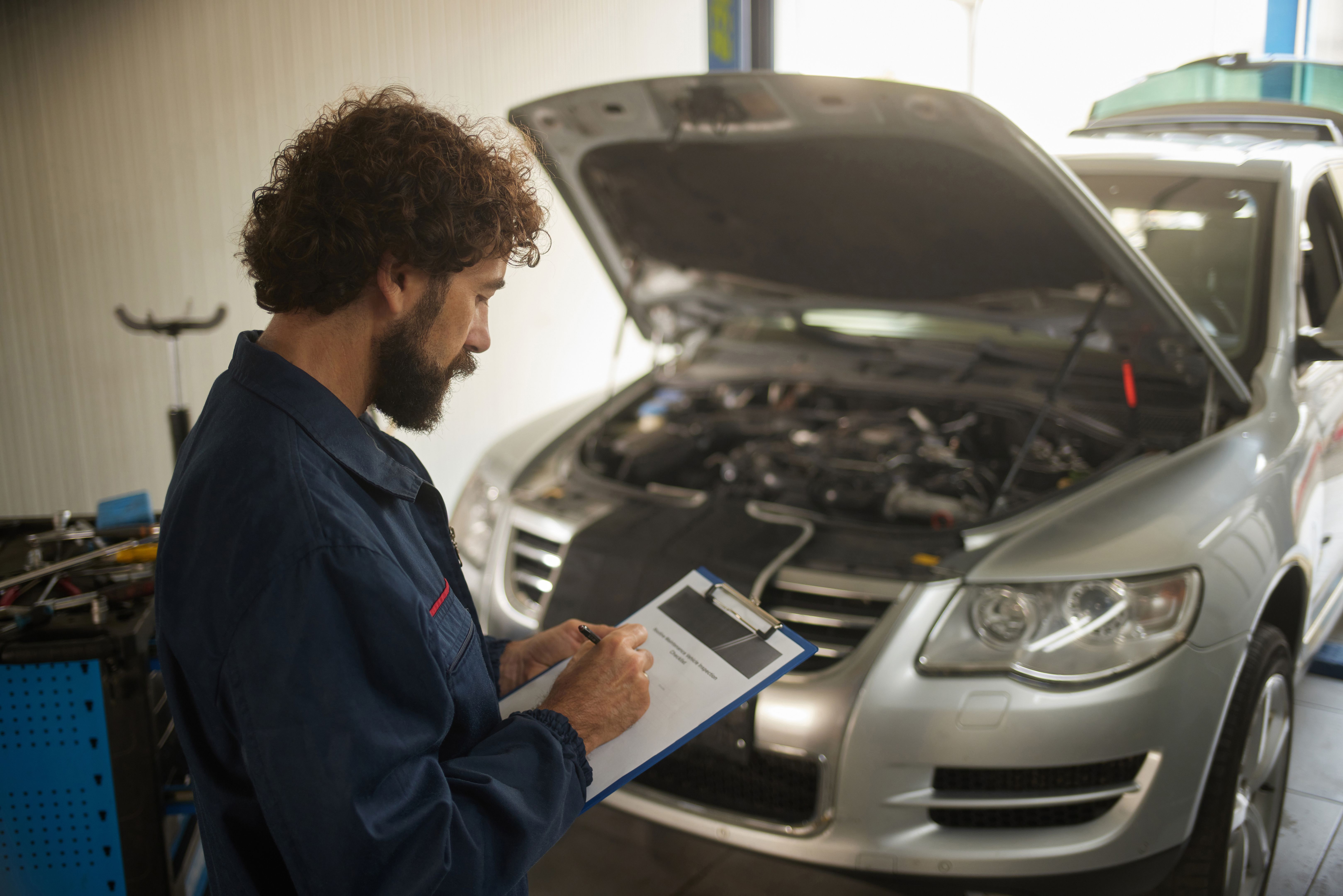
Regular professional inspections and cleanings are vital for maintaining your chimney’s health. Experts recommend scheduling a professional inspection at least once a year, especially before the start of the winter season.
Conclusion
Conducting a DIY chimney inspection can help you catch early signs of trouble, but it’s essential to know your limits. By keeping your chimney well-maintained, you ensure the safety and comfort of your home, allowing you to enjoy those cozy fires with peace of mind.