How to Prepare Your Chimney for Winter in Maryland

Understanding the Importance of Chimney Maintenance
As the temperatures begin to drop in Maryland, preparing your chimney for winter becomes a crucial task. Ensuring that your chimney is clean and in good condition can prevent potential hazards and improve heating efficiency. For many homeowners, the fireplace is not just a source of warmth, but also a central feature of the home during the colder months.
Neglecting chimney maintenance can lead to dangerous situations, such as chimney fires or carbon monoxide buildup. Regular inspection and cleaning are essential to keep your home safe and cozy throughout the winter season.
Inspecting Your Chimney
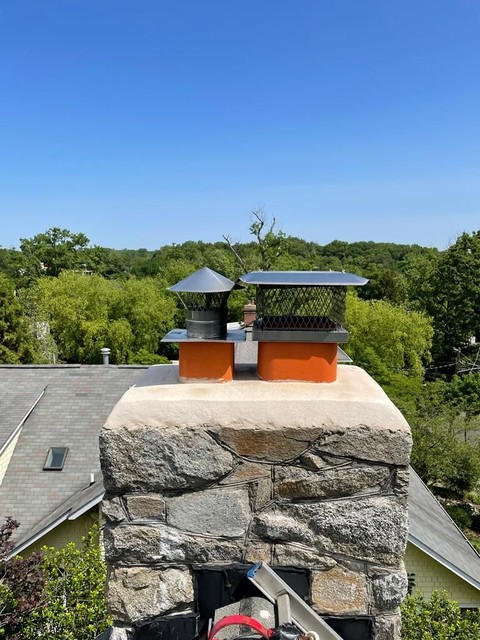
Before lighting that first fire, it's important to conduct a thorough inspection. Look for any visible signs of damage, such as cracks in the masonry or missing bricks. Additionally, check the chimney cap, which prevents rain, debris, and animals from entering.
For a more detailed inspection, consider hiring a professional chimney sweep. They can assess hard-to-reach areas and ensure that your chimney complies with safety standards.
Checking the Chimney Flue
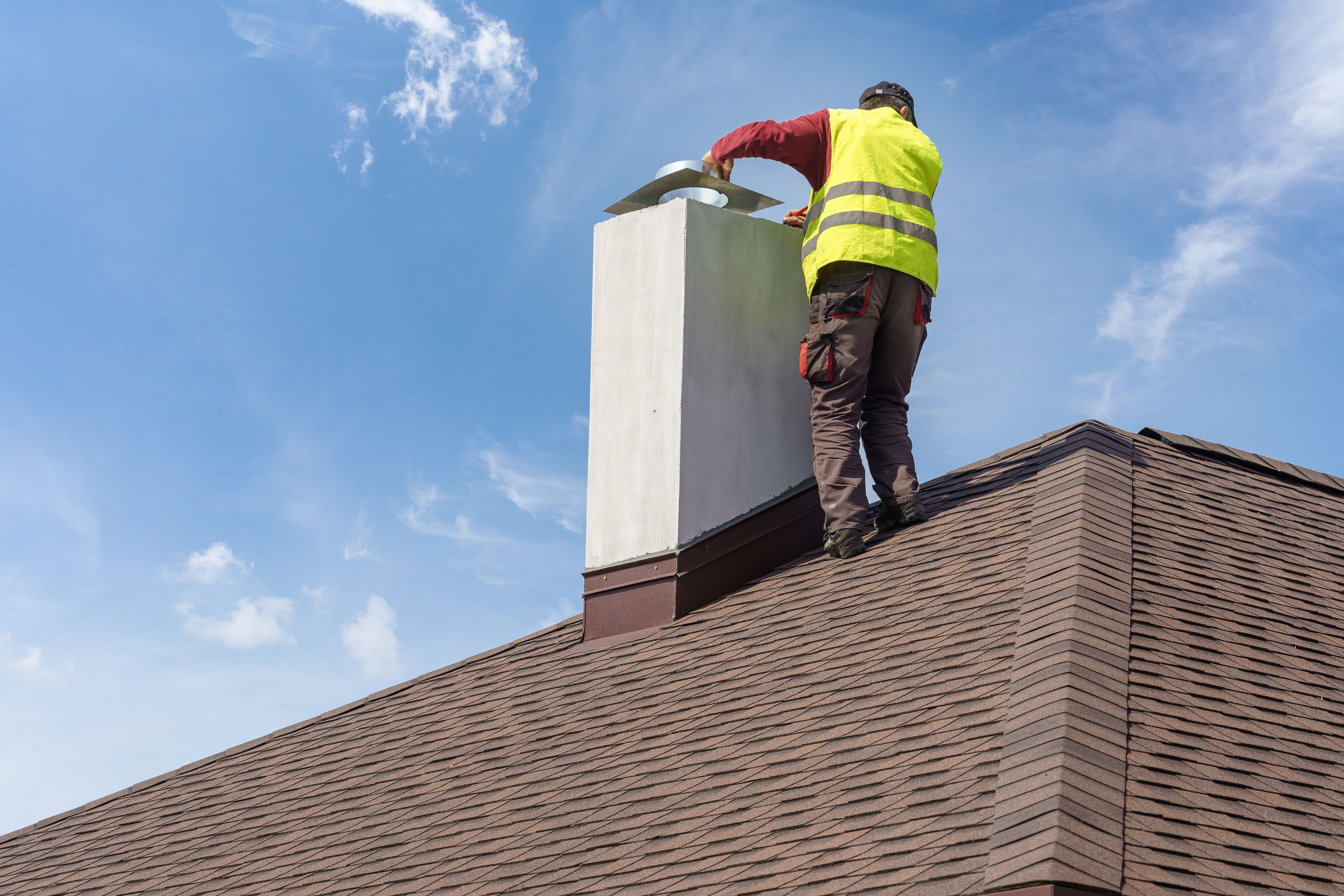
The flue is a vital component of your chimney, directing smoke and gases safely out of your home. Make sure the flue is free of obstructions and creosote buildup. Creosote, a tar-like substance, is highly flammable and can accumulate over time, increasing the risk of chimney fires.
Cleaning Your Chimney
Once inspected, a thorough cleaning is the next step. The National Fire Protection Association recommends that chimneys, fireplaces, and vents be inspected at least once a year and cleaned as needed.
- Remove any ash and debris from the fireplace.
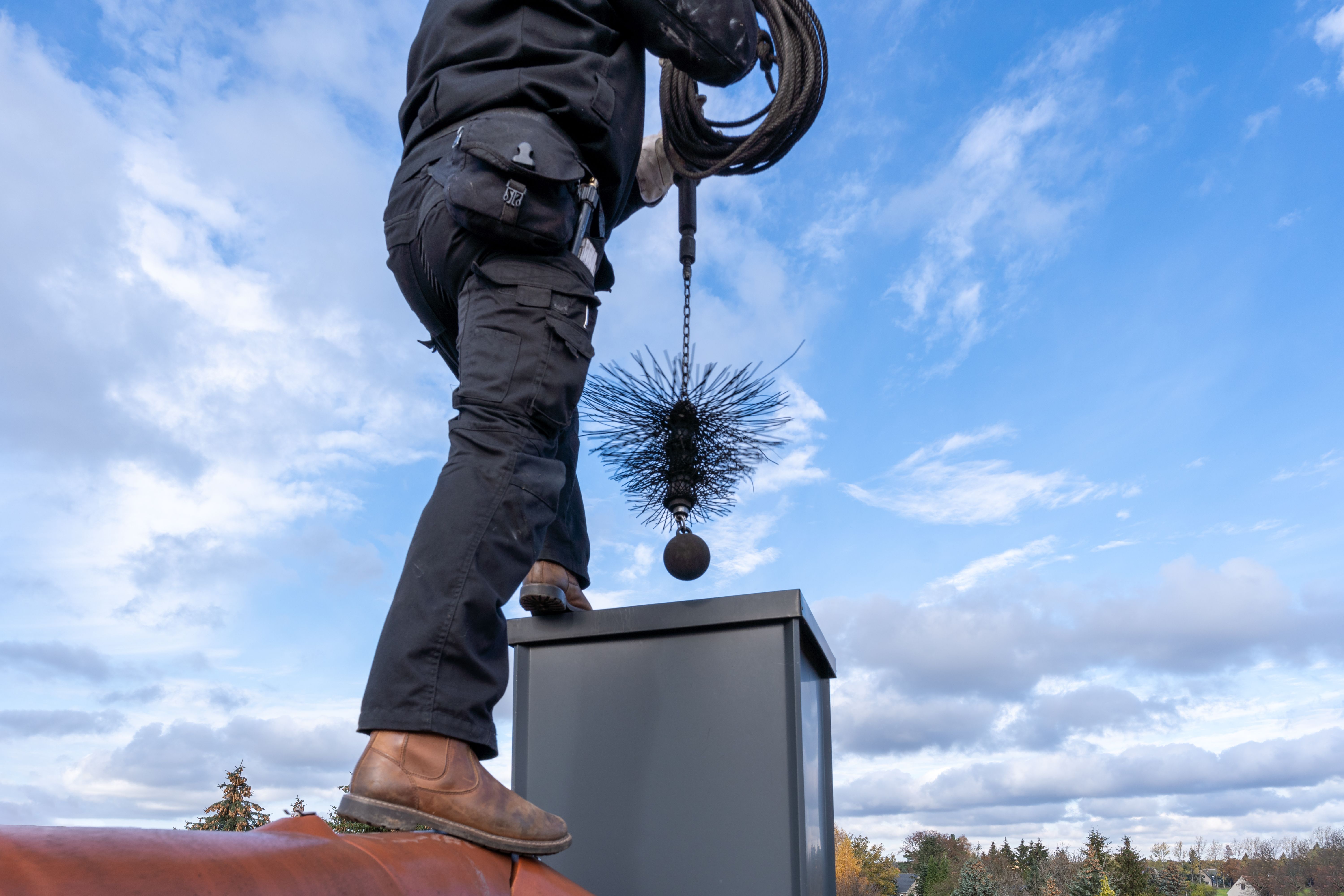
- Use a wire brush to scrub the chimney walls and remove creosote buildup.
- Consider using a chimney vacuum to capture fine particles during the cleaning process.
Sealing and Waterproofing
Chimneys in Maryland are exposed to harsh weather conditions, making waterproofing an important step. Applying a waterproof sealant can help prevent water penetration, which can cause damage to the masonry over time.
Additionally, check for and repair any cracks or gaps in the chimney structure. This will not only protect against water damage but also improve the overall efficiency of your fireplace.
Ensuring Proper Ventilation
A well-ventilated chimney is crucial for safe operation. Make sure there are no blockages that could impede airflow. Proper ventilation also helps in reducing smoke and odor issues inside your home.
Consider installing a top-sealing damper, which can help improve energy efficiency by preventing drafts when the fireplace is not in use.
Final Preparations for Winter
With your chimney inspected, cleaned, and sealed, you’re almost ready for winter. Stock up on seasoned firewood, ensuring it is dry and free of pests. Remember, burning wet or green wood can produce more creosote buildup.
By taking these steps, you can enjoy a warm and safe winter season, gathering around your fireplace without worries. Regular maintenance not only protects your home but also enhances the enjoyment of your fireplace.