Navigating Local Chimney Regulations in Silver Spring, MD

Understanding Local Chimney Regulations
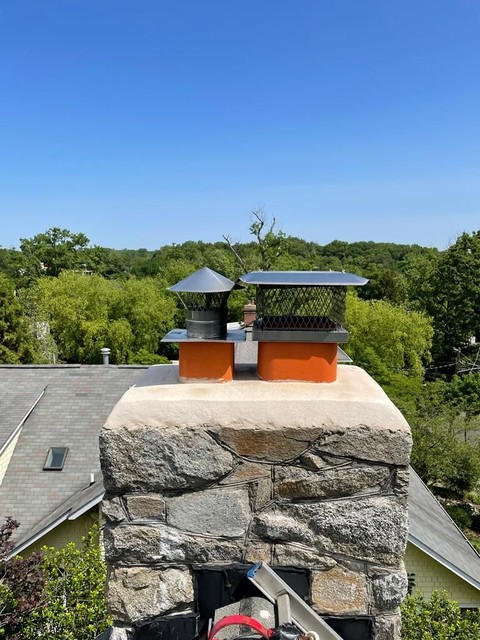
Silver Spring, MD, boasts a rich architectural heritage, with many homes featuring traditional fireplaces. However, maintaining these structures requires adherence to specific local chimney regulations. Understanding these rules is crucial for homeowners to ensure both safety and compliance.
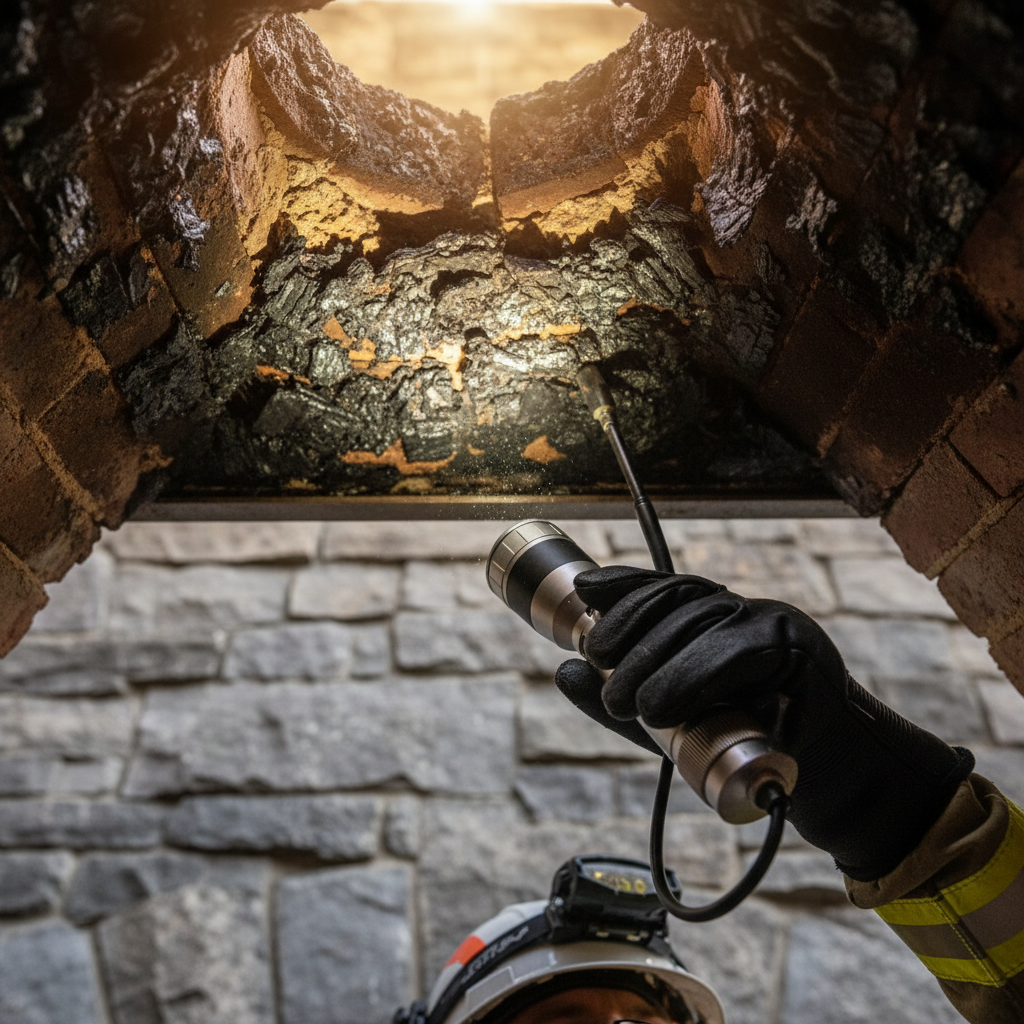
Local regulations in Silver Spring are designed to prevent potential hazards associated with chimney use. These regulations cover various aspects, from the construction materials to the maintenance schedules. Being aware of these rules can help you avoid fines and ensure your chimney is safe for use.
Construction and Installation Requirements
Before installing a new chimney, it's essential to understand the construction requirements. The materials used must meet specific standards to withstand high temperatures and prevent fire hazards. In Silver Spring, chimneys must also be built to withstand external weather conditions, which can be quite harsh during winter.
Homeowners should also ensure that their chimneys are installed by licensed professionals. This not only guarantees compliance with local codes but also ensures the chimney's structural integrity. Proper installation is key to preventing issues such as smoke backflow and structural damage.
Height and Clearance Standards
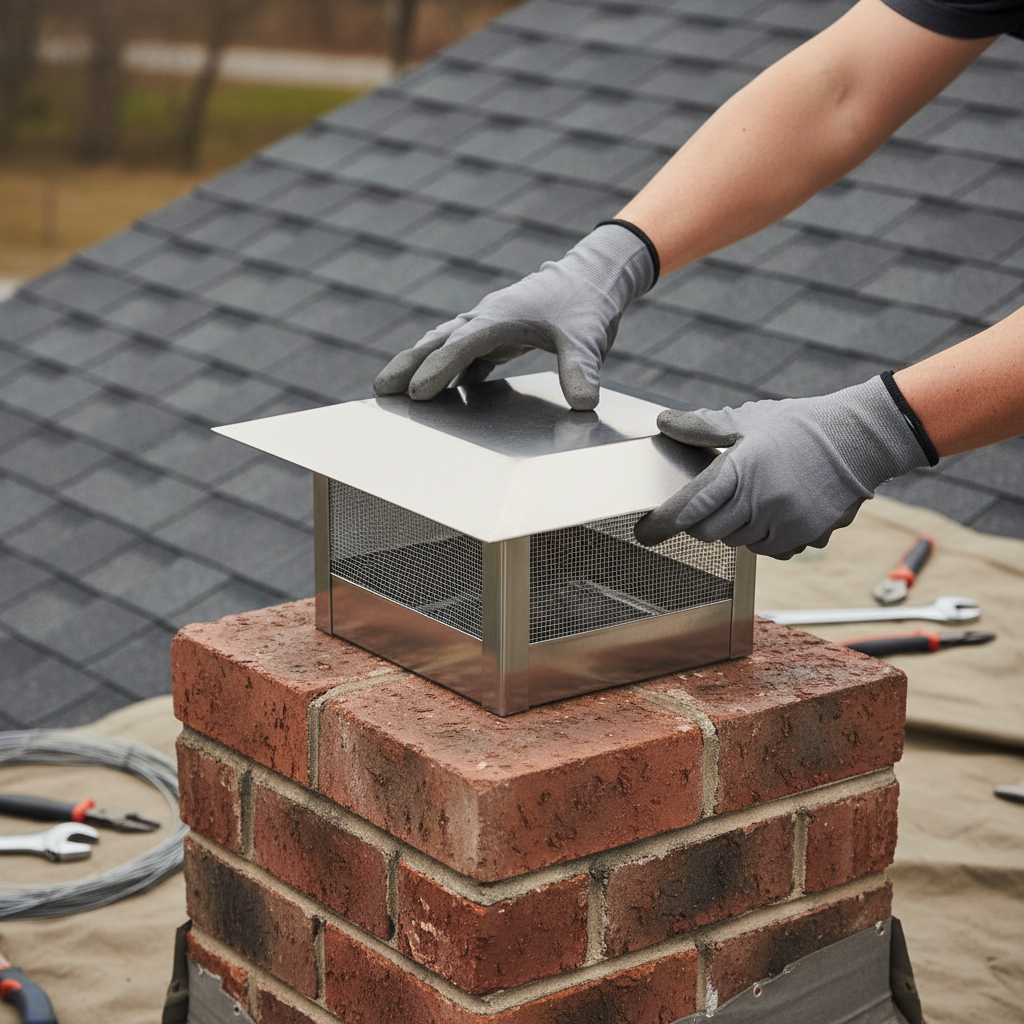
One critical aspect of chimney regulations is the height and clearance requirements. Chimneys must extend a certain height above the roof and maintain a safe distance from nearby structures. This ensures that smoke is expelled efficiently and reduces the risk of fire spreading to adjacent buildings.
- Chimneys should extend at least three feet above the roofline.
- They must be two feet higher than any part of the building within a ten-foot radius.
Regular Inspections and Maintenance
Regular inspections are a vital part of chimney maintenance. Silver Spring regulations require homeowners to have their chimneys inspected annually. These inspections help identify potential issues, such as blockages or cracks, that could pose safety risks.
During these inspections, professionals will also check for creosote buildup, which can lead to chimney fires if not regularly cleaned. Staying on top of maintenance not only keeps your chimney safe but also extends its lifespan.
Permits and Documentation
For any significant chimney alterations or installations, obtaining the necessary permits is crucial. Silver Spring authorities require documentation to ensure that all work complies with local safety standards. Keeping these records can be beneficial if you plan to sell your home, as they demonstrate compliance and proper maintenance.
For more information, homeowners can contact the local building department or consult with a professional chimney service to ensure all regulations are met.