Top Chimney Safety Tips for Silver Spring Homeowners

Understanding the Importance of Chimney Safety
For homeowners in Silver Spring, maintaining a safe and efficient chimney is crucial, especially during the colder months. A well-maintained chimney not only ensures your home's safety but also enhances heating efficiency. Regular inspections and maintenance can prevent potential hazards like fires and carbon monoxide poisoning.
Regular Inspections are Key
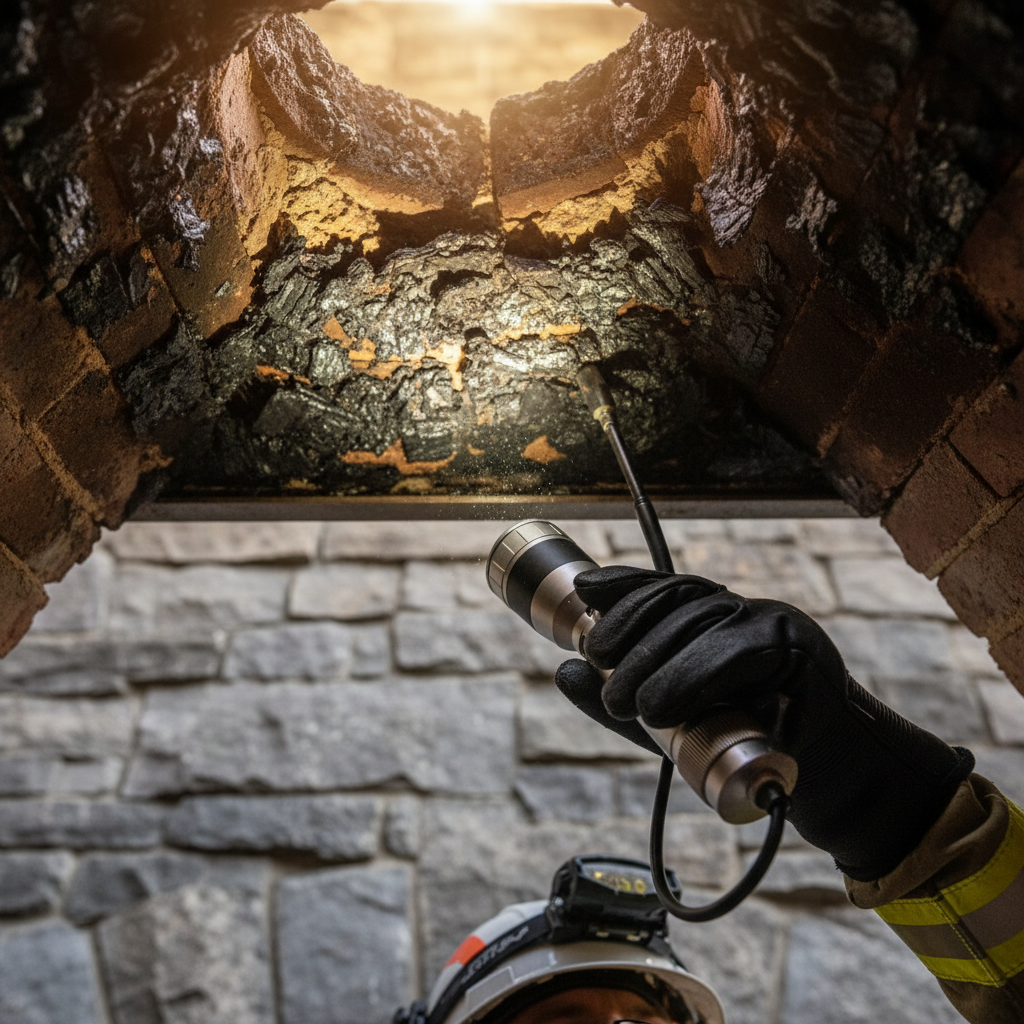
One of the most important aspects of chimney safety is scheduling annual inspections. A professional chimney sweep can identify blockages, cracks, and other issues that may pose a risk. These inspections should ideally be done before the start of winter to ensure everything is in top condition.
During the inspection, professionals will also check for creosote buildup. This flammable substance accumulates over time and can lead to chimney fires if not removed regularly.
Keep Your Chimney Clean
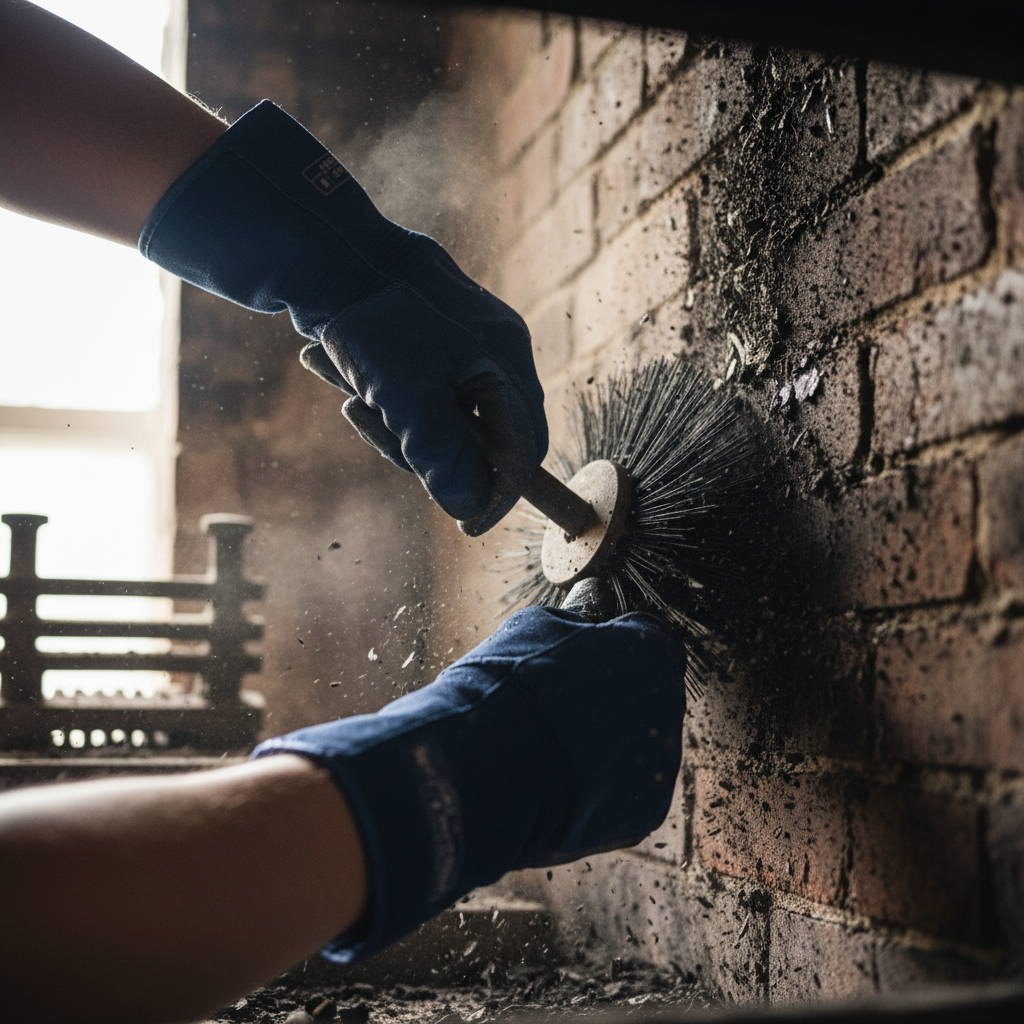
Beyond inspections, regular cleaning is essential. A clean chimney allows smoke and gases to escape efficiently, reducing the risk of dangerous buildup. Depending on how often you use your fireplace, you may need to clean your chimney more than once a year.
Install a Chimney Cap
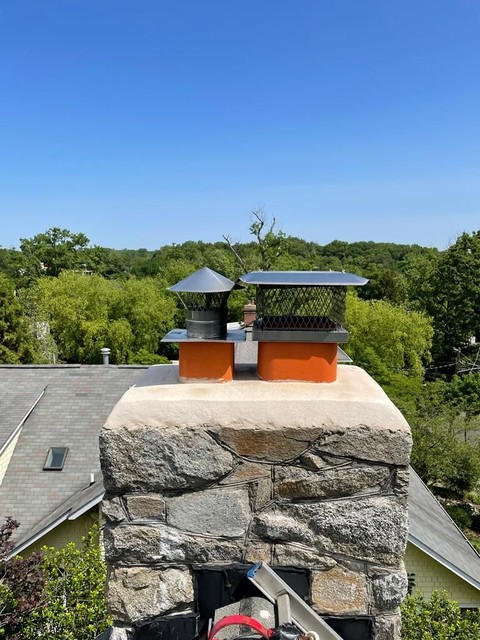
A chimney cap is a simple yet effective way to enhance chimney safety. It prevents rain, debris, and animals from entering your chimney. This not only protects the interior of your chimney but also improves air circulation, reducing the risk of blockages.
Additionally, a chimney cap can help prevent downdrafts that bring smoke and fumes back into your home, ensuring a safer and more pleasant environment.
Use the Right Fuel
Choosing the right type of fuel is vital for chimney safety. Always use well-seasoned wood if you have a wood-burning fireplace. Wet or green wood produces more smoke and contributes to creosote buildup. For gas fireplaces, ensure that all components are functioning correctly to avoid gas leaks.
Be Mindful of Fire Safety
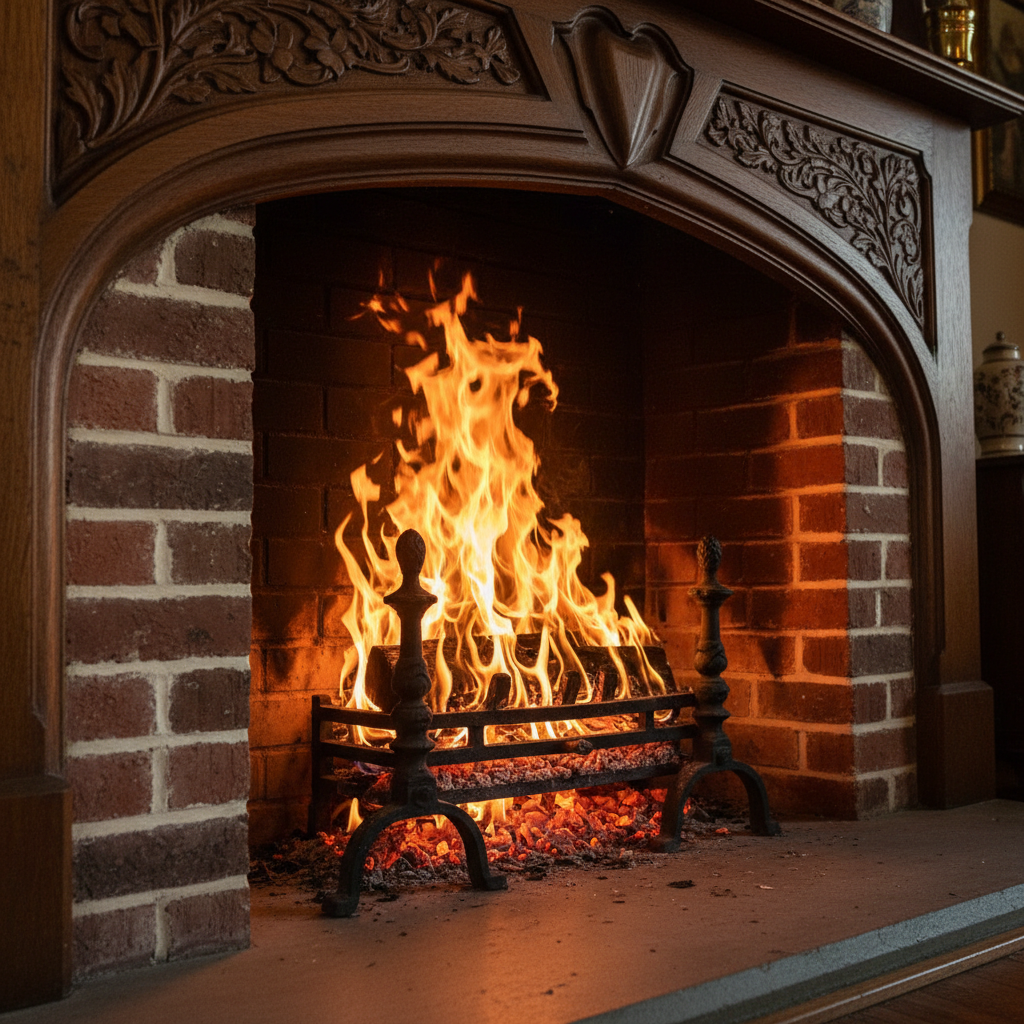
Practicing general fire safety is essential. Always use a fire screen to prevent sparks from escaping the fireplace. Keep flammable materials far from the fireplace and ensure the damper is open while using the fireplace to allow proper ventilation.
Never leave a fire unattended, and make sure all embers are completely extinguished before leaving the house or going to bed. This simple practice can significantly reduce the risk of accidental fires.
Educate Your Family
Finally, educating your family about chimney and fire safety is crucial. Ensure everyone knows how to operate the fireplace safely and understands the importance of regular maintenance. Having an emergency plan in place and ensuring smoke detectors are functioning can provide peace of mind for all household members.