Understanding Chimney Regulations in Silver Spring

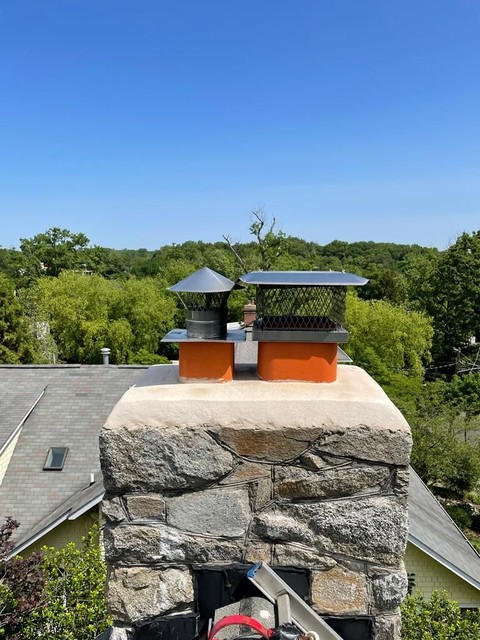
Understanding Local Chimney Regulations
When it comes to maintaining a home in Silver Spring, understanding local chimney regulations is crucial. These regulations ensure not only the safety of your home but also the well-being of the neighborhood. Adhering to these rules can prevent potential hazards and costly fines.
Chimney regulations in Silver Spring are designed to address both structural integrity and environmental impact. Homeowners need to be aware of these laws to ensure compliance and maintain the efficiency of their chimneys.

Key Regulations for Chimney Construction
The construction of chimneys must adhere to specific guidelines. These include the height, clearance from combustible materials, and the type of materials used. In Silver Spring, chimneys must extend at least three feet above the roofline and two feet higher than any part of the building within ten feet.
Materials used in chimney construction should be non-combustible and capable of withstanding high temperatures. Common materials include brick, stone, and metal. Ensuring that your chimney meets these standards is essential for safety and compliance.
Regular Inspections and Maintenance
Regular inspections are a vital part of chimney maintenance. In Silver Spring, it is recommended that chimneys be inspected at least once a year. These inspections help identify potential issues such as blockages or structural weaknesses.

Homeowners should also perform routine maintenance to prevent the buildup of creosote, a flammable substance that can lead to chimney fires. Cleaning the chimney and ensuring proper ventilation can mitigate these risks.
Environmental Considerations
Environmental concerns are also a significant aspect of chimney regulations. Emissions from chimneys can contribute to air pollution, so Silver Spring has implemented standards to minimize this impact. Using clean-burning fuels and ensuring proper ventilation can help reduce emissions.
Homeowners may also consider installing a chimney cap to prevent debris and animals from entering, which can further reduce environmental impact and maintenance needs.

Obtaining Necessary Permits
Before making any significant changes or repairs to your chimney, it is essential to obtain the necessary permits from local authorities. This ensures that any work complies with current regulations and standards.
Failing to secure the proper permits can result in fines and may require undoing unauthorized work, which can be costly and time-consuming.
Conclusion: Staying Informed and Compliant
Understanding and adhering to chimney regulations in Silver Spring is essential for both safety and compliance. Regular inspections, proper construction, and environmental considerations all play a part in maintaining a functional and legal chimney.
Staying informed about local regulations can help homeowners avoid potential issues and enjoy the benefits of a safe and efficient chimney system.