Understanding Chimney Safety: Common Myths Debunked

Introduction to Chimney Safety
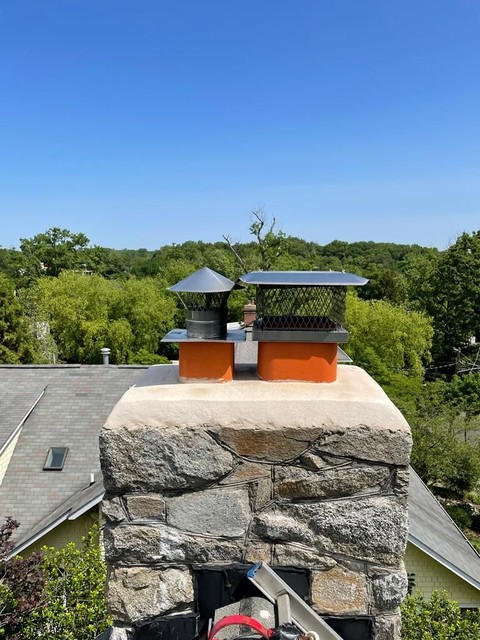
Chimneys are an essential part of many homes, providing warmth and comfort during colder months. However, they require regular maintenance to ensure safety and efficiency. Unfortunately, there are numerous myths surrounding chimney safety that can lead to misunderstandings and potential hazards.

Myth 1: Chimneys Don’t Need Regular Cleaning
One common misconception is that chimneys don't need frequent cleaning. In reality, regular maintenance is crucial to prevent the build-up of creosote, a highly flammable substance. It is recommended to have your chimney inspected and cleaned at least once a year by a certified professional.
Ignoring this essential upkeep can lead to chimney fires, which can cause significant damage to your home. A clean chimney not only ensures safety but also improves the efficiency of your fireplace.
Importance of Professional Inspection
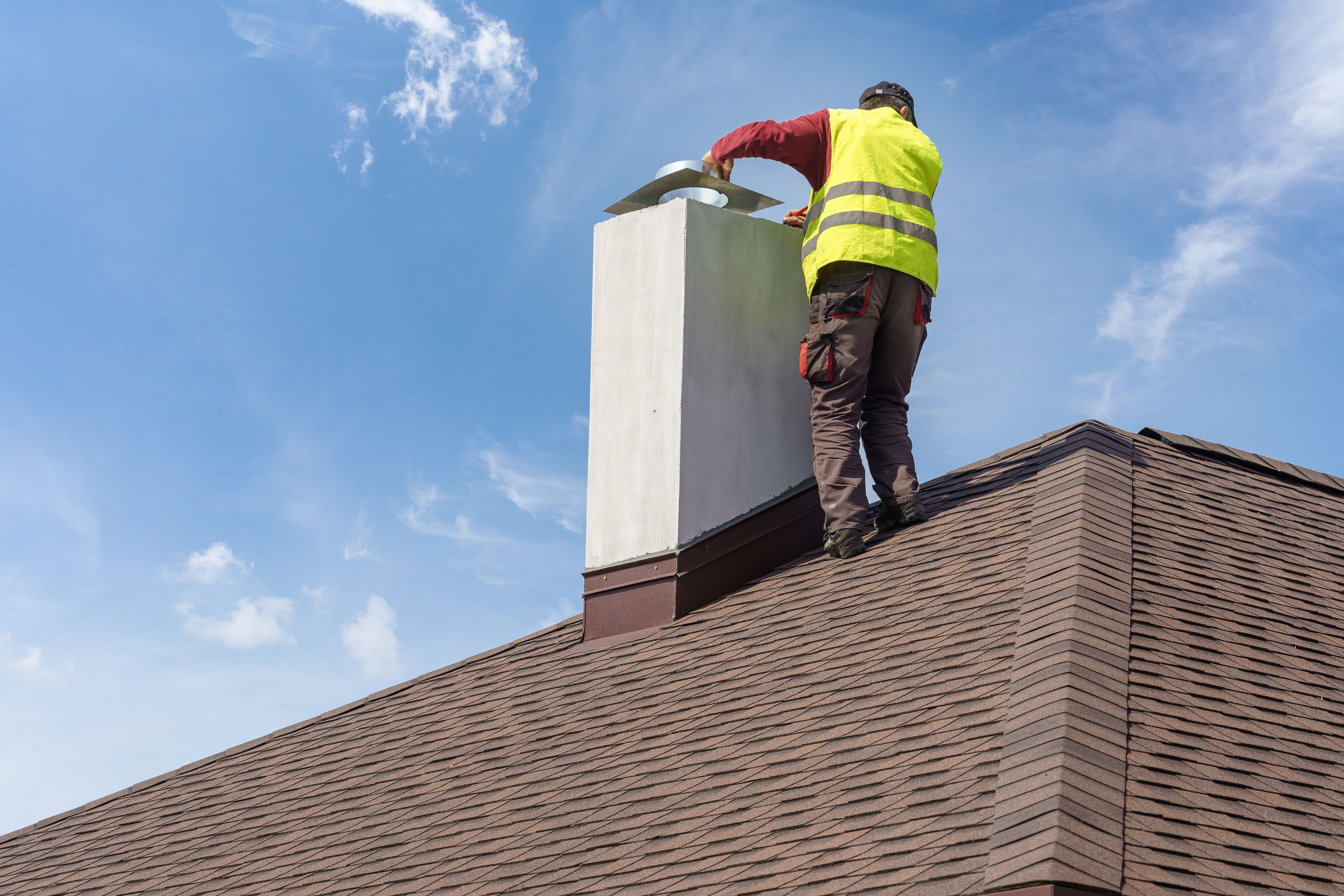
Professional inspections can identify issues that may not be visible to the untrained eye. These experts can spot cracks, blockages, or other structural problems that could lead to dangerous situations if left unaddressed.
Myth 2: Chimney Caps Are Unnecessary
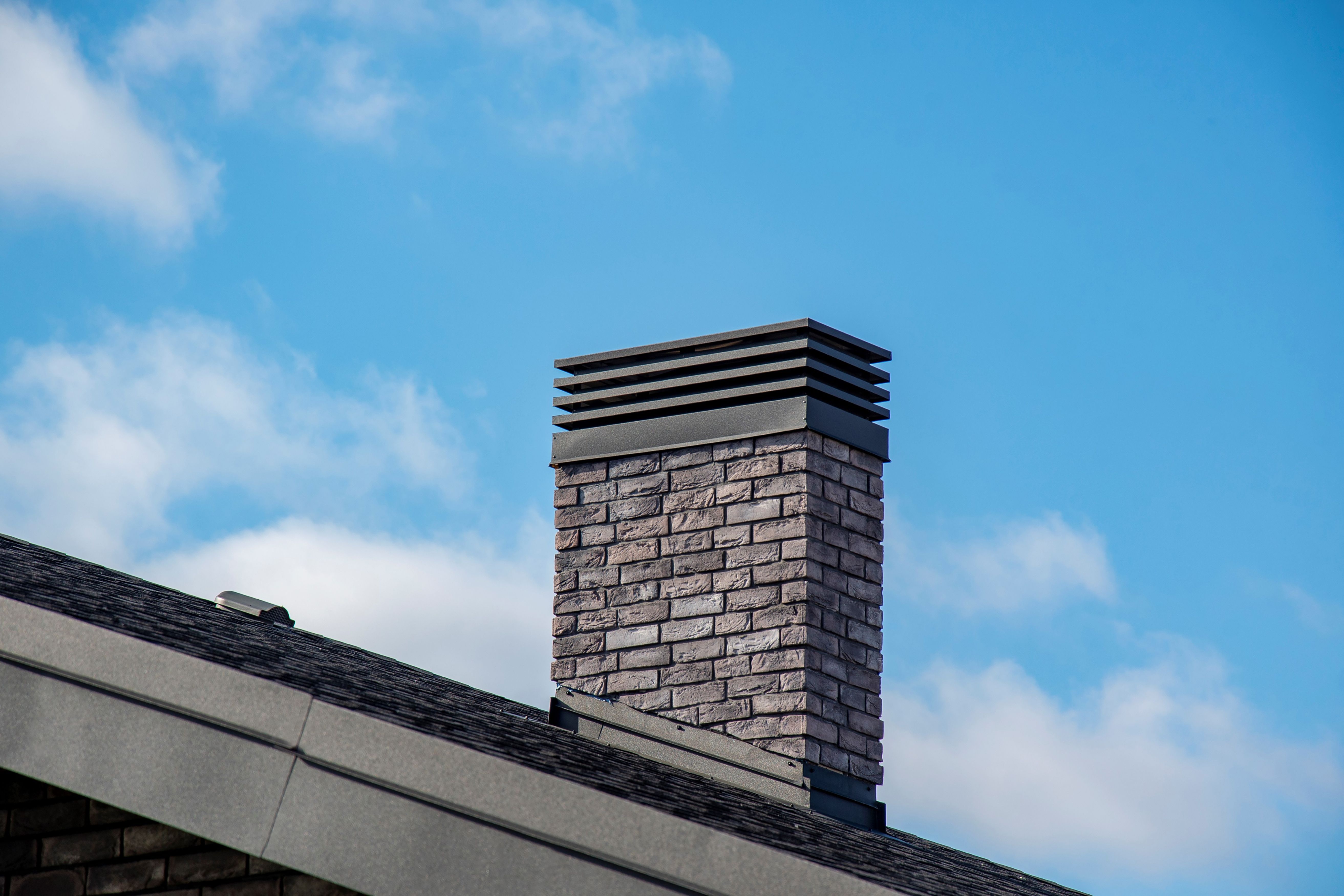
Another myth is that chimney caps are unnecessary additions. However, chimney caps serve several important functions. They prevent rain, snow, and animals from entering the chimney, reducing the risk of damage and blockages.
Additionally, chimney caps can help prevent downdrafts, which can blow smoke back into your home. Investing in a quality chimney cap can save you from costly repairs and health hazards.
Varieties of Chimney Caps
There are various types of chimney caps available to suit different needs and preferences. Options include stainless steel, copper, and galvanized steel, each offering unique benefits and levels of durability.
Myth 3: You Can Burn Any Type of Wood
Many people believe that it’s safe to burn any type of wood in their fireplace, but this is not the case. Burning softwoods like pine can produce more creosote, increasing the risk of chimney fires.
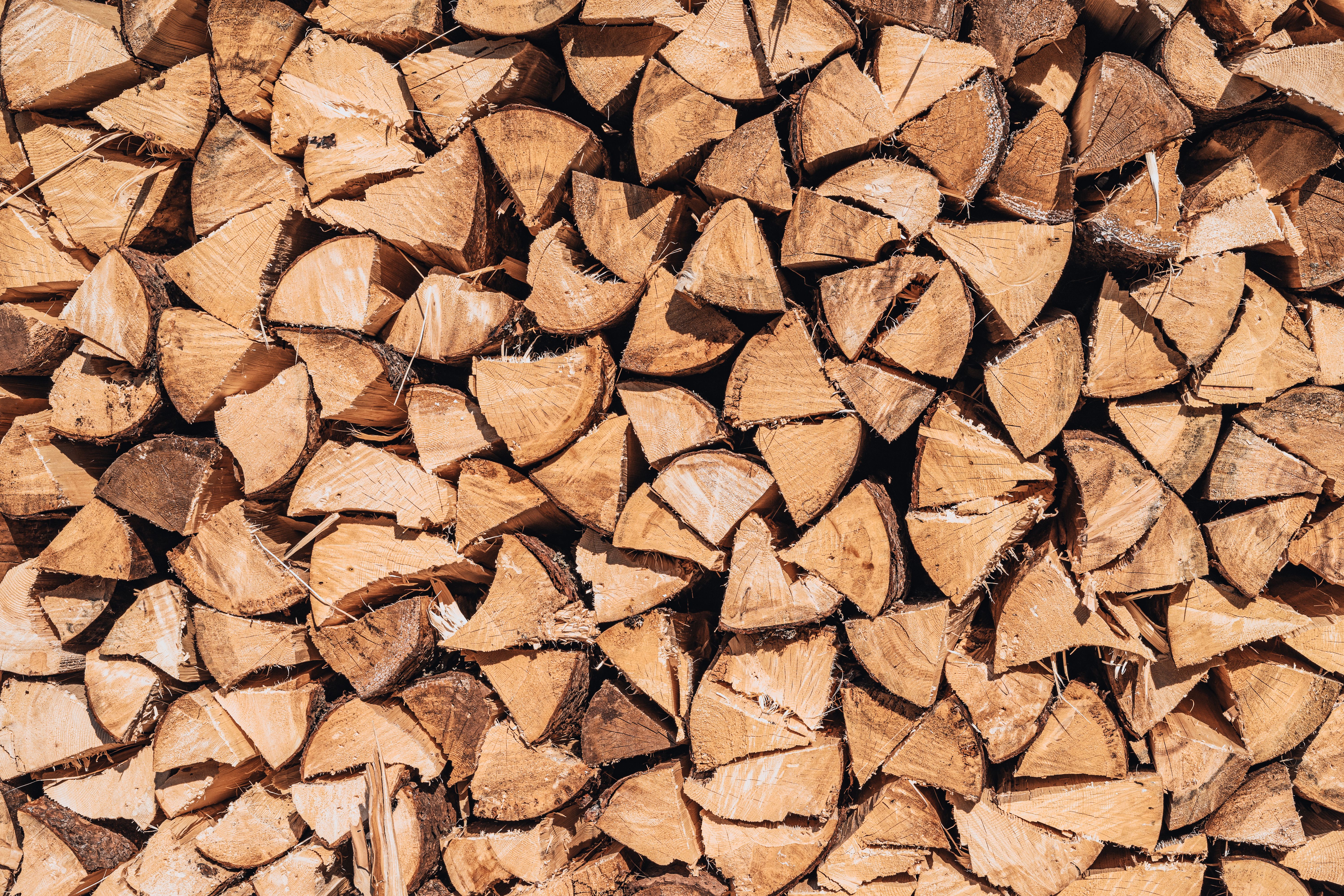
It’s advisable to use seasoned hardwoods, such as oak or maple, which burn cleaner and produce less creosote. Properly storing and seasoning your firewood will enhance safety and efficiency.
Understanding Seasoned Wood
Seasoned wood is wood that has been dried for at least six months to reduce its moisture content. This process makes the wood burn more efficiently and generate more heat, making it a safer choice for your fireplace.
Conclusion
Understanding and debunking common chimney myths is vital for maintaining a safe and efficient home heating system. Regular cleaning, using the right materials, and ensuring the proper installation of chimney accessories are essential steps towards chimney safety. By staying informed and proactive, you can enjoy the warmth of your fireplace without worry.