Understanding Local Chimney Regulations in Silver Spring

Introduction to Local Chimney Regulations
Understanding local chimney regulations in Silver Spring is crucial for homeowners and property managers. These regulations ensure safety, efficiency, and compliance with environmental standards. Whether you’re installing a new chimney or maintaining an existing one, being informed about these rules can save you time and money.
Chimney regulations may vary by location, and Silver Spring has specific guidelines that need to be followed. These guidelines cover everything from construction standards to maintenance requirements, designed to protect both the inhabitants and the environment.

Construction Standards and Permits
Before constructing a chimney in Silver Spring, it's essential to obtain the necessary permits. The Montgomery County Department of Permitting Services oversees these permits, ensuring that all new constructions adhere to local building codes. This process is crucial for ensuring that the chimney is safe and efficient.
Key construction standards include the chimney's height, materials used, and its distance from other structures. Adhering to these standards helps prevent fire hazards and ensures that the chimney functions correctly.

Importance of Proper Insulation
Proper insulation is a critical aspect of chimney construction. Insulation helps in maintaining the right temperature and prevents heat loss, which enhances energy efficiency. It also plays a significant role in preventing creosote buildup, a common cause of chimney fires.
Maintenance and Inspection Requirements
Regular maintenance and inspection are mandatory under Silver Spring's chimney regulations. Homeowners must ensure that their chimneys are inspected annually by a certified professional. Regular inspections help in identifying potential issues early, such as blockages or structural weaknesses.
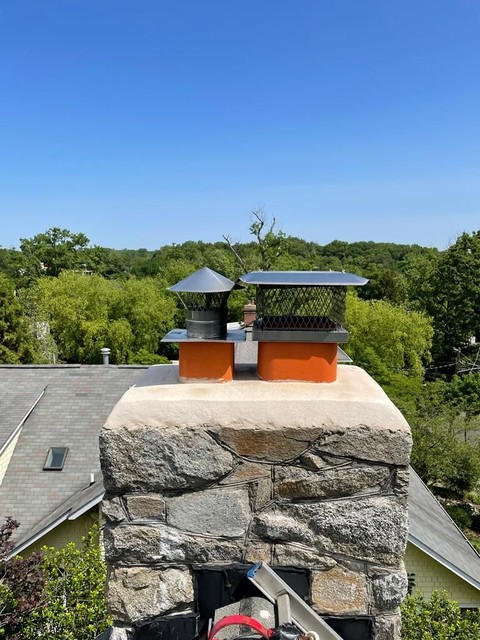
Maintenance includes cleaning the chimney to remove soot and creosote buildup, which can pose serious fire risks. Ensuring that the chimney cap and crown are intact is also crucial to prevent water damage and animal intrusion.

Environmental Considerations
Silver Spring's chimney regulations also focus on environmental considerations. The use of certain fuels may be restricted to minimize air pollution. Homeowners are encouraged to use environmentally friendly fuel options that produce less smoke and emissions.
Additionally, regulations may require the installation of specific technologies or devices to reduce the environmental impact of chimney use. Compliance with these regulations not only benefits the environment but can also enhance the efficiency of your heating system.
Conclusion
Understanding and adhering to local chimney regulations in Silver Spring is essential for homeowners. These rules ensure the safety, efficiency, and environmental friendliness of your chimney. By staying informed and compliant, you can enjoy the warmth and comfort of your fireplace without any legal or safety concerns.
Whether building a new chimney or maintaining an existing one, always consult with professionals and refer to local guidelines. This proactive approach helps ensure that your chimney remains a safe and efficient part of your home.